.jpg.7f9d67a2acffffb6b95dcdcc860b313b.jpg)
Yelda Basar Moers
-
Posts
2 -
Joined
-
Last visited
Everything posted by Yelda Basar Moers
-
.thumb.jpg.31f1e03c3d27c68d71fabba04c58b208.jpg) Opening Chapter-- Esma OPENING SCENE: Introduces setting, tone, primary and secondary protagonist, and foreshadows primary conflict. Chapter 1 Opening Chapter-- Orhan Topkapi Palace, August 1804 I don’t know much About the world. But I know what I feel When I feel the current Of destiny Take me. I was summoned to the palace of Esma Sultan, the daughter of Sultan Abdulhamid II of the Ottoman Empire, in late summer of 1804, the season when the figs ripen. Though it was late summer to Europeans, to the Turks it was the season of fruition. I was assigned the role of has odabaşı, the male head steward of Esma Sultan’s palace, managing all business, political and house affairs for the Princess. In our Empire, the will of our Sultan and destiny chose our path, and so it was mine to land at the doorstep of Esma Sultan. I was twenty-two and had just graduated from Enderun, the most selective of the Palace Schools. And the most elite institution of our great Ottoman Empire. I was expecting an apprenticeship in diplomacy because of my high scores and unusual volubility in speaking so many languages. Some labeled me a genius; others were suspicious of my abilities. I caught the attention of the Sultan and the royal family when I first arrived to Topkapi Palace as a child. They raised me as their own and I had dreams of becoming a high-ranking pasha in the Sultan’s inner circle. But instead of steering me on a diplomatic course to serve our Empire, our now reigning sovereign, Sultan Selim III, chose this course instead: I would run the palace of a Princess. What was I to expect? I had not the faintest idea. My entire world until this moment had been entirely in the domain of men. I felt like a fish out of water. You think you know your path and then you realize that you know nothing. I knew the Princess from our days growing up when I was a young page for her father. She was three years older than me. But I had not seen her in years since the time that she had married the great admiral and moved into a palace of her own. Tragically, the great admiral died a few months ago and left young Esma a widow. First, they said he died in battle, and then from consumption. Some say she poisoned him. His death is still mired in mystery. But it certainly gave our Sultana her freedom. Since then, though, she has transformed into a figure of gossip and intrigue. Wild rumors conflagrated about her. Some called her deli or “the crazy one” for her independent ways. Others said she was no woman, but a man, donning pants, riding horses, and traveling around without the cloak we call a yaşmak. It is true that she spent time in the European quarters of Pera, but gossip spread that she rode around in her araba, her carriage, befriending foreigners. She was considered a Sultan herself, as heir of a ruling Sultan, so she did have freedoms that eluded other women. But the rumors still lingered. The worst of the lot was that she had insatiable desires, unleashed, and unbridled after the death of her husband, and had handsome men brought to her palace to satisfy her needs. After spending one night with her, the young men were never seen again. The rumor was that she had the poor souls drowned in the Boğaz, the Bosphorus Straight that faced her waterfront palace. I tried to ignore the rumors and suspected it was the highfalutin Ottoman ladies of her society behind them, jealous of her wealth, power, and independent ways, for she was one of the wealthiest individuals in the Empire, rivaling the Sultan himself. A powerful woman could also easily be at the mercy of men. Like the wheel of fortune, a woman could go up and down in power. Others may have found her affinity for foreigners unusual and eccentric and her influence in politics threatening. What I did know was that she was a faithful wife and pious woman, never missing Friday prayers. She gifted gilded holy book holders to our religious leaders and schools. The pious folks loved her. The poor folks even more. No woman gave more to the needy. I couldn’t imagine that she could have such a secret life. These were the least of my worries or those of the Empire, which was in turmoil both inside and out. The world was upside down, mostly due to Napoleon’s ambitions to conquer all of Europe. Last Spring, Britain and France resumed warring, while Russia and Austria joined forces with Britain against Napoleon. We were neutral, but always involved. Our sovereign was confused as France, Britain, and Russia all professed friendship, yet they all threatened to attack us. If tensions outside the Empire were not bad enough, tensions inside were worse. Everyone feared a revolt by the Janissaries. Once a military force, feared by the world, they had now degenerated into a wild band of ruffians. They refused to be trained as modern soldiers under the new French system, which our Sultan now favored and followed. The Janissaries hated the French and believed that Napoleon’s new war machine was the death of the warrior and a curse against God. Our Sultan Selim was left in a quandary as to how to fight our greatest threat—The Russians—without the right military or enough men to fight them. The Russians were the single greatest threat to our existence, because they had tried and failed for years to take Istanbul. Spiritually, they believed it was their holy Orthodox city and strategically, they wanted control over the Boğaz, the straight that ran through our city, which allowed them easy passage to Europe. I worried how much longer we could continue in this chaos, without someone conquering us.
Opening Chapter-- Esma OPENING SCENE: Introduces setting, tone, primary and secondary protagonist, and foreshadows primary conflict. Chapter 1 Opening Chapter-- Orhan Topkapi Palace, August 1804 I don’t know much About the world. But I know what I feel When I feel the current Of destiny Take me. I was summoned to the palace of Esma Sultan, the daughter of Sultan Abdulhamid II of the Ottoman Empire, in late summer of 1804, the season when the figs ripen. Though it was late summer to Europeans, to the Turks it was the season of fruition. I was assigned the role of has odabaşı, the male head steward of Esma Sultan’s palace, managing all business, political and house affairs for the Princess. In our Empire, the will of our Sultan and destiny chose our path, and so it was mine to land at the doorstep of Esma Sultan. I was twenty-two and had just graduated from Enderun, the most selective of the Palace Schools. And the most elite institution of our great Ottoman Empire. I was expecting an apprenticeship in diplomacy because of my high scores and unusual volubility in speaking so many languages. Some labeled me a genius; others were suspicious of my abilities. I caught the attention of the Sultan and the royal family when I first arrived to Topkapi Palace as a child. They raised me as their own and I had dreams of becoming a high-ranking pasha in the Sultan’s inner circle. But instead of steering me on a diplomatic course to serve our Empire, our now reigning sovereign, Sultan Selim III, chose this course instead: I would run the palace of a Princess. What was I to expect? I had not the faintest idea. My entire world until this moment had been entirely in the domain of men. I felt like a fish out of water. You think you know your path and then you realize that you know nothing. I knew the Princess from our days growing up when I was a young page for her father. She was three years older than me. But I had not seen her in years since the time that she had married the great admiral and moved into a palace of her own. Tragically, the great admiral died a few months ago and left young Esma a widow. First, they said he died in battle, and then from consumption. Some say she poisoned him. His death is still mired in mystery. But it certainly gave our Sultana her freedom. Since then, though, she has transformed into a figure of gossip and intrigue. Wild rumors conflagrated about her. Some called her deli or “the crazy one” for her independent ways. Others said she was no woman, but a man, donning pants, riding horses, and traveling around without the cloak we call a yaşmak. It is true that she spent time in the European quarters of Pera, but gossip spread that she rode around in her araba, her carriage, befriending foreigners. She was considered a Sultan herself, as heir of a ruling Sultan, so she did have freedoms that eluded other women. But the rumors still lingered. The worst of the lot was that she had insatiable desires, unleashed, and unbridled after the death of her husband, and had handsome men brought to her palace to satisfy her needs. After spending one night with her, the young men were never seen again. The rumor was that she had the poor souls drowned in the Boğaz, the Bosphorus Straight that faced her waterfront palace. I tried to ignore the rumors and suspected it was the highfalutin Ottoman ladies of her society behind them, jealous of her wealth, power, and independent ways, for she was one of the wealthiest individuals in the Empire, rivaling the Sultan himself. A powerful woman could also easily be at the mercy of men. Like the wheel of fortune, a woman could go up and down in power. Others may have found her affinity for foreigners unusual and eccentric and her influence in politics threatening. What I did know was that she was a faithful wife and pious woman, never missing Friday prayers. She gifted gilded holy book holders to our religious leaders and schools. The pious folks loved her. The poor folks even more. No woman gave more to the needy. I couldn’t imagine that she could have such a secret life. These were the least of my worries or those of the Empire, which was in turmoil both inside and out. The world was upside down, mostly due to Napoleon’s ambitions to conquer all of Europe. Last Spring, Britain and France resumed warring, while Russia and Austria joined forces with Britain against Napoleon. We were neutral, but always involved. Our sovereign was confused as France, Britain, and Russia all professed friendship, yet they all threatened to attack us. If tensions outside the Empire were not bad enough, tensions inside were worse. Everyone feared a revolt by the Janissaries. Once a military force, feared by the world, they had now degenerated into a wild band of ruffians. They refused to be trained as modern soldiers under the new French system, which our Sultan now favored and followed. The Janissaries hated the French and believed that Napoleon’s new war machine was the death of the warrior and a curse against God. Our Sultan Selim was left in a quandary as to how to fight our greatest threat—The Russians—without the right military or enough men to fight them. The Russians were the single greatest threat to our existence, because they had tried and failed for years to take Istanbul. Spiritually, they believed it was their holy Orthodox city and strategically, they wanted control over the Boğaz, the straight that ran through our city, which allowed them easy passage to Europe. I worried how much longer we could continue in this chaos, without someone conquering us. -
Write to Pitch 2024 - September
Yelda Basar Moers replied to EditorAdmin's topic in New York Write to Pitch 2023, 2024, 2025
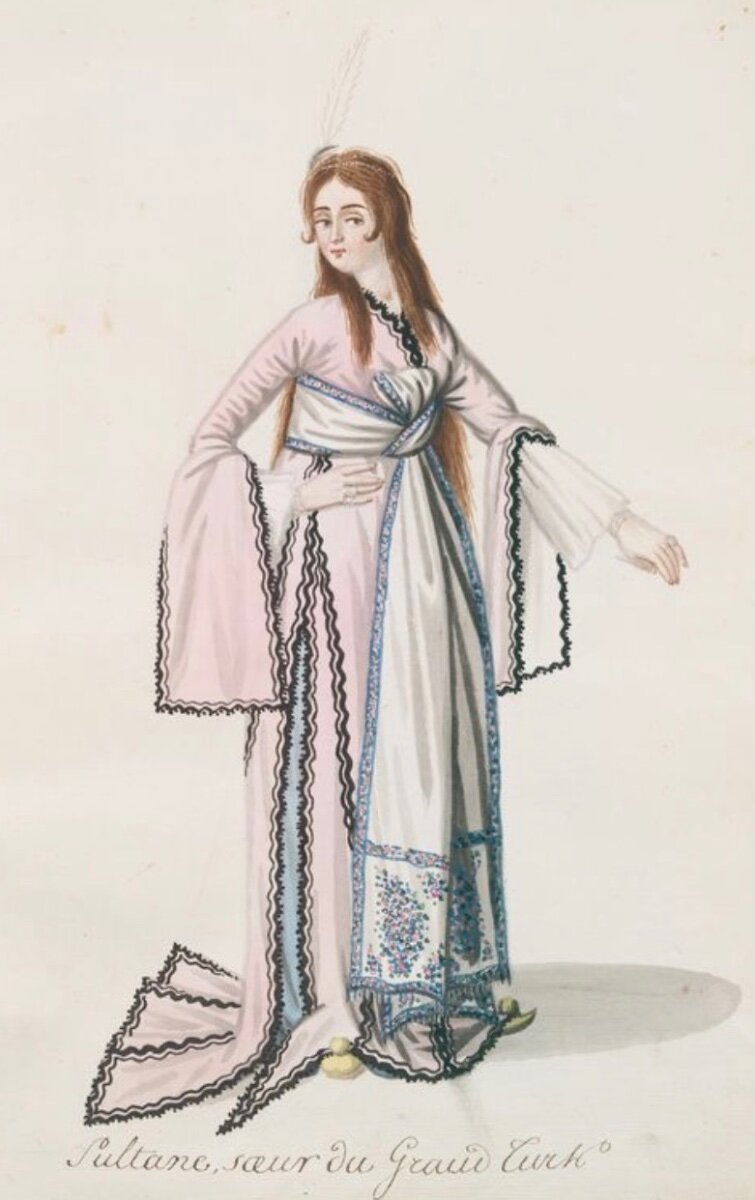
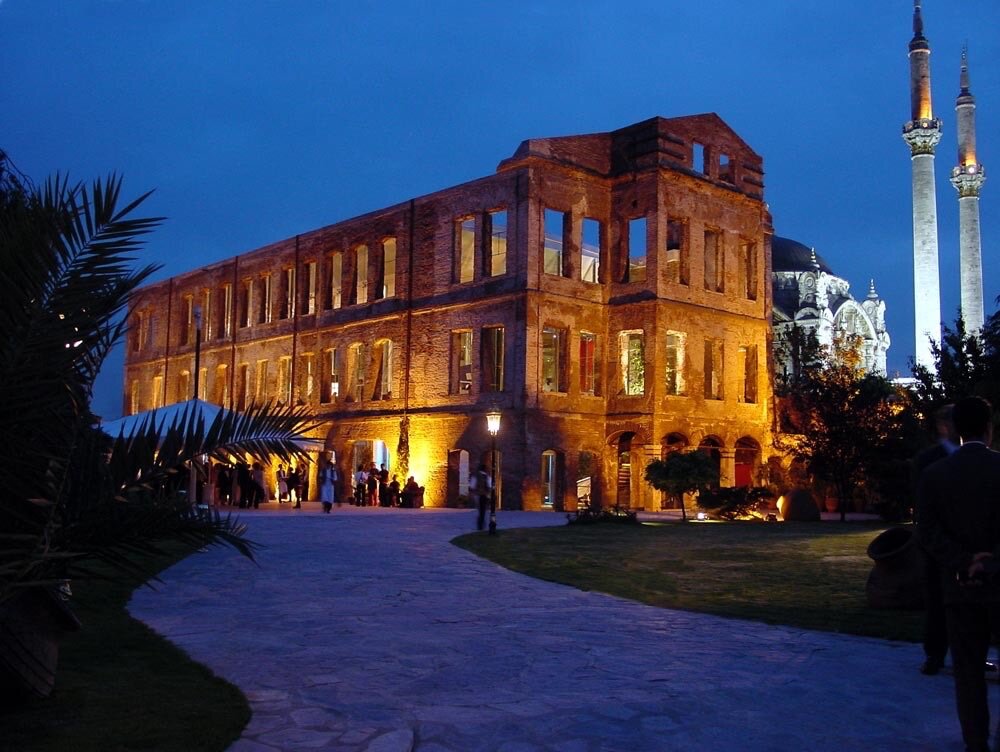
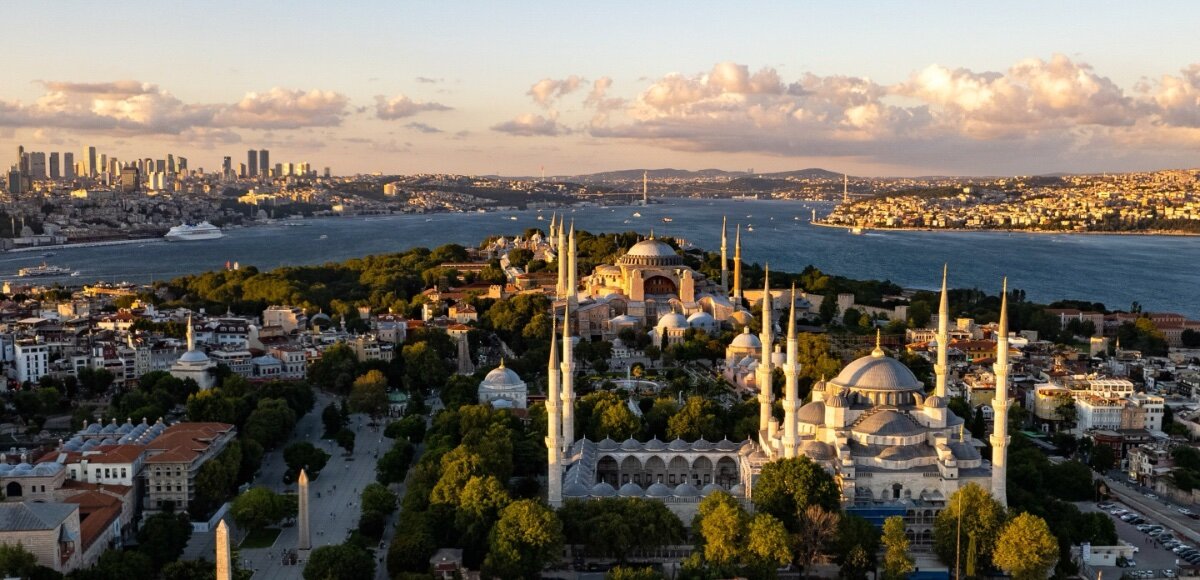
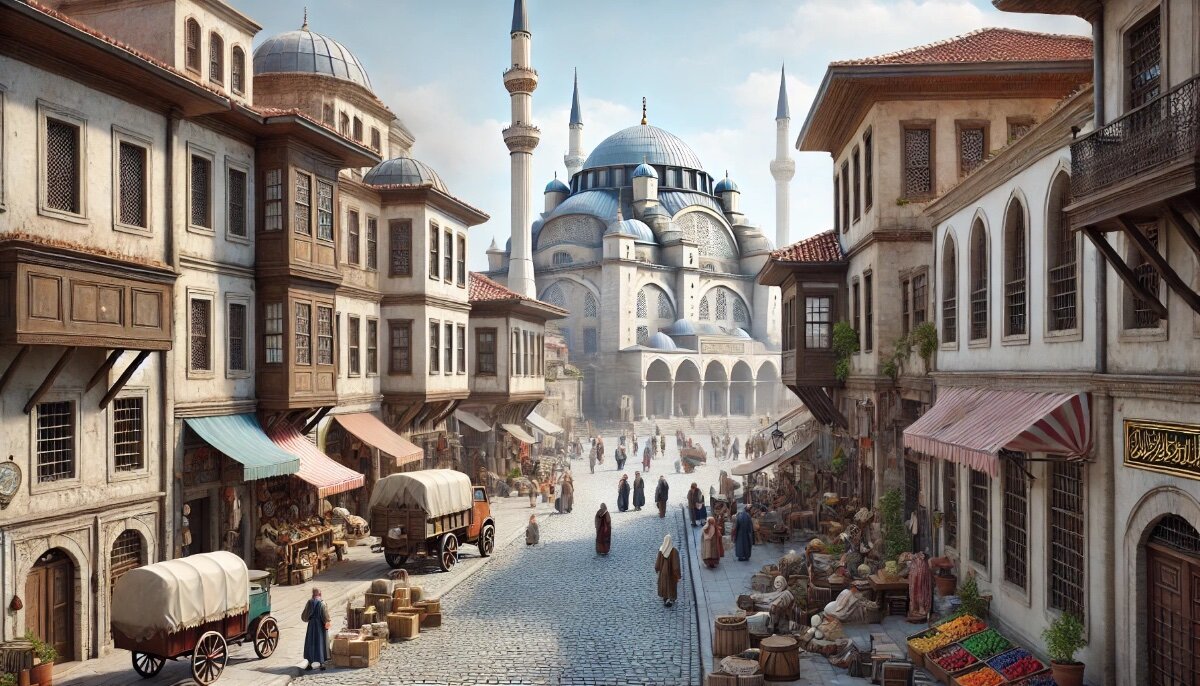
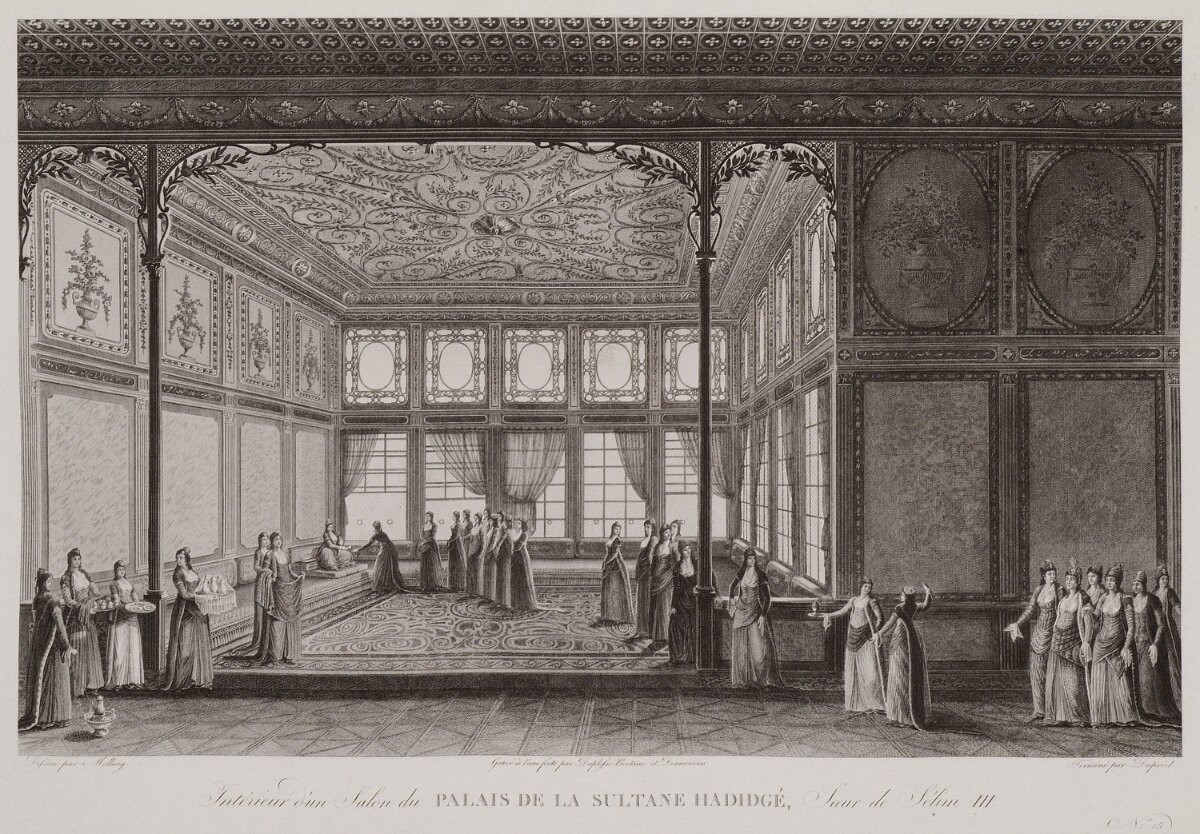
Write to Pitch Assignment—Esma First Assignment: Write Story Statement Feminist Turkish princess (known to lure handsome men to her palace, and after one night, drowns them in the Bosphorus), breaks all the rules while trying to save her Empire during the most tumultuous period of Ottoman history. “She is not a woman, she is Esma Sultan.” Second Assignment: Antagonist Halit Güloğlu, former Janissary general and lover of Esma Sultan. Halit is the Janissary lover that Esma summons to her palace, but who does not show up. He is arrogant, strong-willed, handsome and tall, with fair features. He resists Esma repeatedly and is willing to go to the gallows in his defiance. Esma has a strong desire and pull towards Halit, which mystifies her, and she is determined to conquer him. Halit was brought to Istanbul from Serbia as a boy and rises through the ranks as a slave to become a Janissary general. Through his valiant efforts and merit, he is given his freedom and becomes a successful merchant. While a Janissary soldier, Halit had to fight against his own people during the Serbian uprisings. This has made him callous, bitter and impervious to the commands of others. During the British invasion of Istanbul, destiny and circumstances bring Esma and Halit together. Esma begins to trust him though they are often at odds. Orhan, Esma’s right hand man and head steward, does not trust him and warns Esma to be circumspect. Halit and Orhan are also at odds and in competition. When Orhan must leave and take care of matters abroad, Esma asks Halit to join her as her head steward. Though he is her antagonist, he eventually becomes her lover and closest advisor. Esma stops summoning men to her palace, after meeting Halit, but begins to have an unconventional harem of her own. Third Assignment: Break Out Title 1. Esma 2. Esma: The Book of Lovers 3. Esma: Butterfly of Shadow and Light Fourth Assignment: Who are your comparables? Genre: Women’s/Feminist Historical Fiction/Literary Historical Fiction Philippa Gregory (Women’s/Feminist Historical Fiction) meets Orhan Pamuk (Turkish Literary Historical Fiction) The Nightingale by Kristin Hannah Two sisters fight for the resistance in occupied France during WWII. We see the war through their eyes. Both risk their lives for their country, taking extreme measures, and my heroine is doing the same. The White Queen by Philippa Gregory This is the story of Elizabeth Woodward, a woman of beauty and exceptional abilities who becomes the Queen of England during the Wars of the Roses in the 15th century. Her courage, strength and great feminine power makes for a remarkable heroine and inspiring historical figure. I find her qualities and the style/voice of her first person narrative comparable to Esma. My Name is Red by Orhan Pamuk This is a 16th century Literary Historical Novel set in the Golden Age of the Ottoman Empire that follows the miniaturist art court of Topkapi Palace. This book was loved by readers and critics alike and is a splendid example of Ottoman Empire literary historical fiction (of course it is nearly impossible to reach the literary acumen of Orhan Pamuk, but I believe his audience would enjoy reading Esma). The Nightingale and The White Queen happen to be two of my favorite historical novels because they tell the story of fearless women who sacrifice much and risk all to save their country and kingdom while facing the universal struggles and challenges faced by women. These empowered female characters are tested by history (one is a royal and the other are two common sisters) during a time of war. The writing is intelligent and poetic yet accessible. I’ve added My Name is Red as an example of Literary Historical Fiction of the Ottoman Empire. I believe my trilogy would appeal to readers of women’s historical fiction as well as lovers of Turkey, Turkish writers and Ottoman/Near Eastern history. Fifth Assignment: Hook Line and Conflict and Core Wound A beautiful, brilliant 19th century feminist Turkish princess, notorious for luring men into her palace and drowning them the night after, breaks all the rules of her society, and is at the helm of power as she tries to save her Empire during the most tumultuous period of its history. Sixth Assignment: Conflict in Three Parts Primary conflict: Esma and her Empire must face its existential threat as Russia and England plan to invade Istanbul. Russia believes that Istanbul is rightfully theirs as the true orthodox city of Christendom. Esma must mobilize behind the scenes with various diplomats, while managing a weak and feeble Sultan, to save her city and Empire. Secondary conflict: Esma clashes with her mother, who plots for her to take the throne and depose the reigning Sultan Selim, who is fond of the French and the West. Selim is Esma’s cousin, and she holds deep affection for him. Esma colludes with her mother and brother and supports the rebellion against Selim, which leads to his murder. She regrets this decision and ultimately helps her half-brother Mahmud come to power. Esma is caught between the traditional Islamic values espoused by her mother, brother and the Janissaries, and the Western ways of the Sultan and his court. Aside from her political involvement, Esma must battle her urges and desires, and though she stops summoning men after meeting Halit, she continually battles with him in love and power. She also must fight to recover the respect of the Janissaries and her people as she puts their needs ahead of her own. Inner conflict: Esma’s greatest conflict is her inner conflict. The turmoil of her resulting inner conflict leaves her with debilitating headaches. Esma must battle her physical desires and temper them with her need to be politically involved. She must also face the conflict of betraying her mother and brother, for the best interest of her Empire, when she decides to support her half-brother Mahmud, who takes the throne after the murder of the previous Sultan. Further, Esma grapples with the gravity of her prior actions as she transforms into a woman wholly committed to the salvage of her Empire. As the story continues, her pull and attraction for Halit, the defiant Janissary, intensifies as finds herself falling in love, something she has never experienced. One of her greatest inner struggles is that she is a pious, religious woman who seeks sexual freedom. Striving to remain faithful to Islam, she must enter a dark night of the soul and seek atonement while charting a course towards saving her Empire. She must also face feelings of shame and disquietude as she comes into owning her power. Seventh Assignment: The Setting. Istanbul, 19th century Ottoman Empire during the Napoleonic Wars. There are many flourishing cities in the world. But you’re the only one who creates enchanting beauty. I say, he who has lived happily, in the longest dream, Is he who spent his life in you, died in you, and was buried in you. Yahya Kemal Beyatli Istanbul: The city of Istanbul is the main setting, and the blue, dazzling Bosphorus Strait that runs through the city, its main character. The Bosphorus, full of rich symbolism, links the Black Sea to the Mediterranean, and Russia to the mighty womb of Europe. Esma and Orhan, as they alternate in their narration of the story, both speak of how the Bosphorus waters reflect not only their own state of mind, but the state of the Empire. There are several locations in Istanbul that play a key role in the setting. First there is Esma’s waterfront palace, the main location of Book I, in the village of Ortaköy, about an hour by carriage from Topkapi Palace. Next is Topkapi Palace, the imperial residence where the Sultan and royal family live, which faces both the Marmara Sea and the Bosphorus Strait. The characters also frequent the Sweet Waters of Europe, a quiet estuary on the countryside up the Golden Horn with grassy fields and calm blue waters where Esma owns a kiosk. We are also taken to various places in Istanbul, the coffeehouses, the main squares, the residences of Ambassadors in the European district of Pera (modern day Beyoğlu), as well as the neighborhoods of Sultan Ahmet, Eyüp and Galata. Rustchuk, Bulgaria: A secondary setting is in Bulgaria, primarily Rustchuk, an Ottoman city on the Danube River (modern-day Ruse). The governor of Rustchuk is a powerful noble, with the largest standing army in the Empire, who will collaborate with Esma to take over the city as chaos rampantly spreads (civil war breaks out, Russia threatens war again, and the English are on their way back to Istanbul). It’s a miracle that the Empire survives this period! Istanbul is brought to life not only with its mosques and minarets, the call to prayer and the mystical Bosphorus Strait, but also with Sufi poetry and the verses of the Qur’an that are woven throughout the chapters. In fact, verses of the Qur’an line the roofs of the palaces and buildings in the city, with gilded calligraphy. The city is known as one of the most spiritual and historic cities in the world and I do my best to capture its essence and magic. Sufi poetry is a huge part of all three books, for it is how we can understand the culture and spirituality of the Ottomans; their literature was poetry. I believe my love for the city, the city where my father was born and raised, where my parents met and attended university together (Bosphorus University), and my heritage, comes through in my portrayal of the city. The atmosphere/setting of the book is probably its strongest quality. Istanbul is a city that was once the center of the Christian world and then became the center of the Muslim world. The Ottoman Empire, one of the greatest Empires of the world, lasted 600 years, and it was the city of Istanbul that held the Empire together. Napoleon said that if the world was one state, Istanbul would be its capital. It is a city of endless fascination for readers and travelers. The following photos are: Esma Sultan herself, her palace, which still stands in Istanbul, photos of present day Istanbul, and drawings of Istanbul at the time of my historical novel (including the interior of a princess's palace).