

Chief Editor M. Neff
-
Posts
6,169 -
Joined
-
Last visited
Posts posted by Chief Editor M. Neff
-
-
How can anyone dare disagree with Isabel? Actually, it's easy.
-
Introduction to Pre-event Assignments 
The below seven assignments are vital to reaching an understanding of specific and critical core elements that go into the creation of a commercially viable genre novel or narrative non-fiction. Of course, there is more to it than this, as you will see, but here we have a good primer that assures we're literally all on the same page before the event begins.
You may return here as many times as you need to edit your topic post (login and click "edit"). Pay special attention to antagonists, setting, conflict and core wound hooks.
And btw, quiet novels do not sell. Keep that in mind. Be aggressive with your work.
Algonkian Conference Director
____________
After you've registered and logged in, create your reply to this topic (button top right). Please utilize only one reply for all of your responses so the forum topic will not become cluttered. Also, strongly suggest typing up your "reply" in a separate file then copying it over to your post before submitting. Not a good idea to lose what you've done!
__________________________________________________________
THE ACT OF STORY STATEMENT
Before you begin to consider or rewrite your story premise, you must develop a simple "story statement." In other words, what's the mission of your protagonist? The goal? What must be done?
What must this person create? Save? Restore? Accomplish? Defeat?... Defy the dictator of the city and her bury brother’s body (ANTIGONE)? Struggle for control over the asylum (ONE FLEW OVER THE CUCKOO’S NEST)? Do whatever it takes to recover lost love (THE GREAT GATSBY)? Save the farm and live to tell the story (COLD MOUNTAIN)? Find the wizard and a way home to Kansas (WIZARD OF OZ)? Note that all of these are books with strong antagonists who drive the plot line (see also "Core Wounds and Conflict Lines" below).
FIRST ASSIGNMENT: write your story statement. ___________________________________________________ THE ANTAGONIST PLOTS THE POINT (Photo : Javert from "Les Misérables")
What are the odds of you having your manuscript published if the overall story and narrative fail to meet publisher demands for sufficient suspense, character concern, and conflict? Answer: none. You might therefore ask, what major factor makes for a quiet and dull manuscript brimming with insipid characters and a story that cascades from chapter to chapter with tens of thousands of words, all of them combining irresistibly to produce an audible thudding sound in the mind like a mallet hitting a side of cold beef? Answer: the unwillingness or inability of the writer to create a suitable antagonist who stirs and spices the plot hash. Let's make it clear what we're talking about. By "antagonist" we specifically refer to an actual fictional character, an embodiment of certain traits and motivations who plays a significant role in catalyzing and energizing plot line(s), or at bare minimum, in assisting to evolve the protagonist's character arc (and by default the story itself) by igniting complication(s) the protagonist, and possibly other characters, must face and solve (or fail to solve). CONTINUE READING ENTIRE ARTICLE AT NWOE THEN RETURN HERE. SECOND ASSIGNMENT: in 200 words or less, sketch the antagonist or antagonistic force in your story. Keep in mind their goals, their background, and the ways they react to the world about them.
___________________________________________________
CONJURING YOUR BREAKOUT TITLE
What is your breakout title? How important is a great title before you even become published? Very important! Quite often, agents and editors will get a feel for a work and even sense the marketing potential just from a title. A title has the ability to attract and condition the reader's attention. It can be magical or thud like a bag of wet chalk, so choose carefully. A poor title sends the clear message that what comes after will also be of poor quality.
Go to Amazon.Com and research a good share of titles in your genre, come up with options, write them down and let them simmer for at least 24 hours. Consider character or place names, settings, or a "label" that describes a major character, like THE ENGLISH PATIENT or THE ACCIDENTAL TOURIST. Consider also images, objects, or metaphors in the novel that might help create a title, or perhaps a quotation from another source (poetry, the Bible, etc.) that thematically represents your story. Or how about a title that summarizes the whole story: THE MARTIAN CHRONICLES, HARRY POTTER AND THE CHAMBER OF SECRETS, THE WORLD ACCORDING TO GARP, etc.
Keep in mind that the difference between a mediocre title and a great title is the difference between THE DEAD GIRL'S SKELETON and THE LOVELY BONES, between TIME TO LOVE THAT CHOLERA and LOVE IN THE TIME OF CHOLERA between STRANGERS FROM WITHIN (Golding's original title) and LORD OF THE FLIES, between BEING LIGHT AND UNBEARABLE and THE UNBEARABLE LIGHTNESS OF BEING.
THIRD ASSIGNMENT: create a breakout title (list several options, not more than three, and revisit to edit as needed).
___________________________________________________
DECIDING YOUR GENRE AND APPROACHING COMPARABLES
Did you know that a high percentage of new novel writers don't fully understand their genre, much less comprehend comparables? When informing professionals about the nuances of your novel, whether by query letter or oral pitch, you must know your genre first, and provide smart comparables second. In other words, you need to transcend just a simple statement of genre (literary, mystery, thriller, romance, science fiction, etc.) by identifying and relating your novel more specifically to each publisher's or agent's area of expertise, and you accomplish this by wisely comparing your novel to contemporary published novels they will most likely recognize and appreciate--and it usually doesn't take more than two good comps to make your point.
Agents and publishing house editors always want to know the comps. There is more than one reason for this. First, it helps them understand your readership, and thus how to position your work for the market. Secondly, it demonstrates up front that you are a professional who understands your contemporary market, not just the classics. Very important! And finally, it serves as a tool to enable them to pitch your novel to the decision-makers in the business.
Most likely you will need to research your comps. If you're not sure how to begin, go to Amazon.Com, type in the title of a novel you believe very similar to yours, choose it, then scroll down the page to see Amazon's list of "Readers Also Bought This" and begin your search that way. Keep in mind that before you begin, you should know enough about your own novel to make the comparison in the first place!
By the way, beware of using comparables by overly popular and classic authors. If you compare your work to classic authors like H.G. Wells and Gabriel Marquez in the same breath you will risk being declared insane. If you compare your work to huge contemporary authors like Nick Hornby or Jodi Picoult or Nora Ephron or Dan Brown or J.K. Rowling, and so forth, you will not be laughed at, but you will also not be taken seriously since thousands of others compare their work to the same writers. Best to use two rising stars in your genre. If you can't do this, use only one classic or popular author and combine with a rising star. Choose carefully!
FOURTH ASSIGNMENT: - Read this NWOE article on comparables then return here.
- Develop two smart comparables for your novel. This is a good opportunity to immerse yourself in your chosen genre. Who compares to you? And why?
____________________________________________________
CORE WOUND AND THE PRIMARY CONFLICT
Conflict, tension, complication, drama--all basically related, and all going a long way to keeping the reader's eyes fixated on your story. These days, serving up a big manuscript of quiet is a sure path to damnation. You need tension on the page at all times, and the best way to accomplish this is to create conflict and complications in the plot and narrative. Consider "conflict" divided into three parts, all of which you MUST have present in the novel. First part, the primary dramatic conflict which drives through the work from beginning to end, from first major plot point to final reversal, and finally resolving with an important climax. Next, secondary conflicts or complications that take various social forms - anything from a vigorous love subplot to family issues to turmoil with fellow characters. Finally, those various inner conflicts and core wounds all important characters must endure and resolve as the story moves forward.
But now, back to the PRIMARY DRAMATIC CONFLICT. If you've taken care to consider your story description and your hook line, you should be able to identify your main conflict(s). Let's look at some basic information regarding the history of conflict in storytelling. Conflict was first described in ancient Greek literature as the agon, or central contest in tragedy. According to Aristotle, in order to hold the interest, the hero must have a single conflict. The agon, or act of conflict, involves the protagonist (the "first fighter" or "hero") and the antagonist corresponding to the villain (whatever form that takes). The outcome of the contest cannot be known in advance, and, according to later drama critics such as Plutarch, the hero's struggle should be ennobling. Is that always true these days? Not always, but let's move on.
Even in contemporary, non-dramatic literature, critics have observed that the agon is the central unit of the plot. The easier it is for the protagonist to triumph, the less value there is in the drama. In internal and external conflict alike, the antagonist must act upon the protagonist and must seem at first to overmatch him or her. The above defines classic drama that creates conflict with real stakes. You see it everywhere, to one degree or another, from classic contemporary westerns like THE SAVAGE BREED to a time-tested novel as literary as THE GREAT GATSBY. And of course, you need to have conflict or complications in nonfiction also, in some form, or you have a story that is too quiet.
For examples let's return to the story descriptions and create some HOOK LINES. Let's don't forget to consider the "core wound" of the protagonist. Please read this article at NWOE then return here.
- The Hand of Fatima by Ildefonso Falcones
- A young Moor torn between Islam and Christianity, scorned and tormented by both, struggles to bridge the two faiths by seeking common ground in the very nature of God.
- Summer's Sisters by Judy Blume
- After sharing a magical summer with a friend, a young woman must confront her friend's betrayal of her with the man she loved.
- The Bartimaeus Trilogy by Jonathan Stroud
- As an apprentice mage seeks revenge on an elder magician who humiliated him, he unleashes a powerful Djinn who joins the mage to confront a danger that threatens their entire world.
Note that it is fairly easy to ascertain the stakes in each case above: a young woman's love and friendship, the entire world, and harmony between opposed religions. If you cannot make the stakes clear, the odds are you don't have any. Also, is the core wound obvious or implied?
FIFTH ASSIGNMENT: write your own hook line (logline) with conflict and core wound following the format above. Though you may not have one now, keep in mind this is a great developmental tool. In other words, you best begin focusing on this if you're serious about commercial publication.
______________________________________________________
OTHER MATTERS OF CONFLICT: TWO MORE LEVELS
As noted above, consider "conflict" divided into three parts, all of which you should ideally have present. First, the primary conflict which drives through the core of the work from beginning to end and which zeniths with an important climax (falling action and denouement to follow). Next, secondary conflicts or complications which can take various social forms (anything from a vigorous love subplot to family issues to turmoil with fellow characters). Finally, those inner conflicts the major characters must endure and resolve. You must note the inner personal conflicts elsewhere in this profile, but make certain to note any important interpersonal conflicts within this particular category."
SIXTH ASSIGNMENT: sketch out the conditions for the inner conflict your protagonist will have. Why will they feel in turmoil? Conflicted? Anxious? Sketch out one hypothetical scenario in the story wherein this would be the case--consider the trigger and the reaction.
Next, likewise sketch a hypothetical scenario for the "secondary conflict" involving the social environment. Will this involve family? Friends? Associates? What is the nature of it?
______________________________________________________
THE INCREDIBLE IMPORTANCE OF SETTING
When considering your novel, whether taking place in a contemporary urban world or on a distant magical planet in Andromeda, you must first sketch the best overall setting and sub-settings for your story. Consider: the more unique and intriguing (or quirky) your setting, the more easily you're able to create energetic scenes, narrative, and overall story. A great setting maximizes opportunities for interesting characters, circumstances, and complications, and therefore makes your writing life so much easier. Imagination is truly your best friend when it comes to writing competitive fiction, and nothing provides a stronger foundation than a great setting. One of the best selling contemporary novels, THE HUNGER GAMES, is driven by the circumstances of the setting, and the characters are a product of that unique environment, the plot also.
But even if you're not writing SF/F, the choice of setting is just as important, perhaps even more so. If you must place your upmarket story in a sleepy little town in Maine winter, then choose a setting within that town that maximizes opportunities for verve and conflict, for example, a bed and breakfast stocked to the ceiling with odd characters who combine to create comical, suspenseful, dangerous or difficult complications or subplot reversals that the bewildered and sympathetic protagonist must endure and resolve while he or she is perhaps engaged in a bigger plot line: restarting an old love affair, reuniting with a family member, starting a new business, etc. And don't forget that non-gratuitous sex goes a long way, especially for American readers.
CONTINUE TO READ THIS ARTICLE THEN RETURN.
FINAL ASSIGNMENT: sketch out your setting in detail. What makes it interesting enough, scene by scene, to allow for uniqueness and cinema in your narrative and story? Please don't simply repeat what you already have which may well be too quiet. You can change it. That's why you're here! Start now. Imagination is your best friend, and be aggressive with it.
________________________
Below are several links to part of an article or whole articles that we feel are the most valuable for memoir writers.
We have reviewed these and agree 110%.
MEMOIR WRITING - CHOOSE A SPECIFIC EVENT (good general primer)
How to Write a Memoir That People Care About | NY Book Editors
NYBOOKEDITORS.COM
Are you thinking of writing a memoir but you're stuck? We've got the remedy. Check out our beginner's guide on writing an epic and engaging memoir.MEMOIR MUST INCLUDE TRANSCENDENCE
Writing Memoir? Include Transcendence - Memoir coach and author Marion Roach
MARIONROACH.COM
MEMOIR REQUIRES TRANSCENDENCE. Something has to happen. Or shift. Someone has to change a little. Or grow. It’s the bare hack minimum of memoir.WRITE IT LIKE A NOVEL
How to Write a Powerful Memoir in 5 Simple Steps
JERRYJENKINS.COM
When it comes to writing a memoir, there are 5 things you need to focus on. If you do, your powerful story will have the best chance of impacting others.MEMOIR ANECDOTES - HOW TO MAKE THEM SHINE
How to Write an Anecdote That Makes Your Nonfiction Come Alive
JERRYJENKINS.COM
Knowing how to write an anecdote lets you utilize the power of story with your nonfiction and engage your reader from the first page. -
Coming to this late, King is way off base when it comes to plotting. He's always attempting to signal that he is the superior author. Unlike the rank and file, he doesn't need to plot. Such BS!
-
Over the years he contradicts himself.
-
-
Introduction to Pre-event Assignments The below seven assignments are vital to reaching an understanding of specific and critical core elements that go into the creation of a commercially viable genre novel or narrative non-fiction. Of course, there is more to it than this, as you will see, but here we have a good primer that assures we're literally all on the same page before the event begins.
You may return here as many times as you need to edit your topic post (login and click "edit"). Pay special attention to antagonists, setting, conflict and core wound hooks.
And btw, quiet novels do not sell. Keep that in mind. Be aggressive with your work.
Algonkian Conference Director
____________
After you've registered and logged in, create your reply to this topic (button top right). Please utilize only one reply for all of your responses so the forum topic will not become cluttered. Also, strongly suggest typing up your "reply" in a separate file then copying it over to your post before submitting. Not a good idea to lose what you've done!
__________________________________________________________
THE ACT OF STORY STATEMENT
Before you begin to consider or rewrite your story premise, you must develop a simple "story statement." In other words, what's the mission of your protagonist? The goal? What must be done?
What must this person create? Save? Restore? Accomplish? Defeat?... Defy the dictator of the city and her bury brother’s body (ANTIGONE)? Struggle for control over the asylum (ONE FLEW OVER THE CUCKOO’S NEST)? Do whatever it takes to recover lost love (THE GREAT GATSBY)? Save the farm and live to tell the story (COLD MOUNTAIN)? Find the wizard and a way home to Kansas (WIZARD OF OZ)? Note that all of these are books with strong antagonists who drive the plot line (see also "Core Wounds and Conflict Lines" below).
FIRST ASSIGNMENT: write your story statement. ___________________________________________________ THE ANTAGONIST PLOTS THE POINT (Photo : Javert from "Les Misérables")
What are the odds of you having your manuscript published if the overall story and narrative fail to meet publisher demands for sufficient suspense, character concern, and conflict? Answer: none. You might therefore ask, what major factor makes for a quiet and dull manuscript brimming with insipid characters and a story that cascades from chapter to chapter with tens of thousands of words, all of them combining irresistibly to produce an audible thudding sound in the mind like a mallet hitting a side of cold beef? Answer: the unwillingness or inability of the writer to create a suitable antagonist who stirs and spices the plot hash. Let's make it clear what we're talking about. By "antagonist" we specifically refer to an actual fictional character, an embodiment of certain traits and motivations who plays a significant role in catalyzing and energizing plot line(s), or at bare minimum, in assisting to evolve the protagonist's character arc (and by default the story itself) by igniting complication(s) the protagonist, and possibly other characters, must face and solve (or fail to solve). CONTINUE READING ENTIRE ARTICLE AT NWOE THEN RETURN HERE. SECOND ASSIGNMENT: in 200 words or less, sketch the antagonist or antagonistic force in your story. Keep in mind their goals, their background, and the ways they react to the world about them.
___________________________________________________
CONJURING YOUR BREAKOUT TITLE
What is your breakout title? How important is a great title before you even become published? Very important! Quite often, agents and editors will get a feel for a work and even sense the marketing potential just from a title. A title has the ability to attract and condition the reader's attention. It can be magical or thud like a bag of wet chalk, so choose carefully. A poor title sends the clear message that what comes after will also be of poor quality.
Go to Amazon.Com and research a good share of titles in your genre, come up with options, write them down and let them simmer for at least 24 hours. Consider character or place names, settings, or a "label" that describes a major character, like THE ENGLISH PATIENT or THE ACCIDENTAL TOURIST. Consider also images, objects, or metaphors in the novel that might help create a title, or perhaps a quotation from another source (poetry, the Bible, etc.) that thematically represents your story. Or how about a title that summarizes the whole story: THE MARTIAN CHRONICLES, HARRY POTTER AND THE CHAMBER OF SECRETS, THE WORLD ACCORDING TO GARP, etc.
Keep in mind that the difference between a mediocre title and a great title is the difference between THE DEAD GIRL'S SKELETON and THE LOVELY BONES, between TIME TO LOVE THAT CHOLERA and LOVE IN THE TIME OF CHOLERA between STRANGERS FROM WITHIN (Golding's original title) and LORD OF THE FLIES, between BEING LIGHT AND UNBEARABLE and THE UNBEARABLE LIGHTNESS OF BEING.
THIRD ASSIGNMENT: create a breakout title (list several options, not more than three, and revisit to edit as needed).
___________________________________________________
DECIDING YOUR GENRE AND APPROACHING COMPARABLES
Did you know that a high percentage of new novel writers don't fully understand their genre, much less comprehend comparables? When informing professionals about the nuances of your novel, whether by query letter or oral pitch, you must know your genre first, and provide smart comparables second. In other words, you need to transcend just a simple statement of genre (literary, mystery, thriller, romance, science fiction, etc.) by identifying and relating your novel more specifically to each publisher's or agent's area of expertise, and you accomplish this by wisely comparing your novel to contemporary published novels they will most likely recognize and appreciate--and it usually doesn't take more than two good comps to make your point.
Agents and publishing house editors always want to know the comps. There is more than one reason for this. First, it helps them understand your readership, and thus how to position your work for the market. Secondly, it demonstrates up front that you are a professional who understands your contemporary market, not just the classics. Very important! And finally, it serves as a tool to enable them to pitch your novel to the decision-makers in the business.
Most likely you will need to research your comps. If you're not sure how to begin, go to Amazon.Com, type in the title of a novel you believe very similar to yours, choose it, then scroll down the page to see Amazon's list of "Readers Also Bought This" and begin your search that way. Keep in mind that before you begin, you should know enough about your own novel to make the comparison in the first place!
By the way, beware of using comparables by overly popular and classic authors. If you compare your work to classic authors like H.G. Wells and Gabriel Marquez in the same breath you will risk being declared insane. If you compare your work to huge contemporary authors like Nick Hornby or Jodi Picoult or Nora Ephron or Dan Brown or J.K. Rowling, and so forth, you will not be laughed at, but you will also not be taken seriously since thousands of others compare their work to the same writers. Best to use two rising stars in your genre. If you can't do this, use only one classic or popular author and combine with a rising star. Choose carefully!
FOURTH ASSIGNMENT: - Read this NWOE article on comparables then return here.
- Develop two smart comparables for your novel. This is a good opportunity to immerse yourself in your chosen genre. Who compares to you? And why?
____________________________________________________
CORE WOUND AND THE PRIMARY CONFLICT
Conflict, tension, complication, drama--all basically related, and all going a long way to keeping the reader's eyes fixated on your story. These days, serving up a big manuscript of quiet is a sure path to damnation. You need tension on the page at all times, and the best way to accomplish this is to create conflict and complications in the plot and narrative. Consider "conflict" divided into three parts, all of which you MUST have present in the novel. First part, the primary dramatic conflict which drives through the work from beginning to end, from first major plot point to final reversal, and finally resolving with an important climax. Next, secondary conflicts or complications that take various social forms - anything from a vigorous love subplot to family issues to turmoil with fellow characters. Finally, those various inner conflicts and core wounds all important characters must endure and resolve as the story moves forward.
But now, back to the PRIMARY DRAMATIC CONFLICT. If you've taken care to consider your story description and your hook line, you should be able to identify your main conflict(s). Let's look at some basic information regarding the history of conflict in storytelling. Conflict was first described in ancient Greek literature as the agon, or central contest in tragedy. According to Aristotle, in order to hold the interest, the hero must have a single conflict. The agon, or act of conflict, involves the protagonist (the "first fighter" or "hero") and the antagonist corresponding to the villain (whatever form that takes). The outcome of the contest cannot be known in advance, and, according to later drama critics such as Plutarch, the hero's struggle should be ennobling. Is that always true these days? Not always, but let's move on.
Even in contemporary, non-dramatic literature, critics have observed that the agon is the central unit of the plot. The easier it is for the protagonist to triumph, the less value there is in the drama. In internal and external conflict alike, the antagonist must act upon the protagonist and must seem at first to overmatch him or her. The above defines classic drama that creates conflict with real stakes. You see it everywhere, to one degree or another, from classic contemporary westerns like THE SAVAGE BREED to a time-tested novel as literary as THE GREAT GATSBY. And of course, you need to have conflict or complications in nonfiction also, in some form, or you have a story that is too quiet.
For examples let's return to the story descriptions and create some HOOK LINES. Let's don't forget to consider the "core wound" of the protagonist. Please read this article at NWOE then return here.
- The Hand of Fatima by Ildefonso Falcones
- A young Moor torn between Islam and Christianity, scorned and tormented by both, struggles to bridge the two faiths by seeking common ground in the very nature of God.
- Summer's Sisters by Judy Blume
- After sharing a magical summer with a friend, a young woman must confront her friend's betrayal of her with the man she loved.
- The Bartimaeus Trilogy by Jonathan Stroud
- As an apprentice mage seeks revenge on an elder magician who humiliated him, he unleashes a powerful Djinn who joins the mage to confront a danger that threatens their entire world.
Note that it is fairly easy to ascertain the stakes in each case above: a young woman's love and friendship, the entire world, and harmony between opposed religions. If you cannot make the stakes clear, the odds are you don't have any. Also, is the core wound obvious or implied?
FIFTH ASSIGNMENT: write your own hook line (logline) with conflict and core wound following the format above. Though you may not have one now, keep in mind this is a great developmental tool. In other words, you best begin focusing on this if you're serious about commercial publication.
______________________________________________________
OTHER MATTERS OF CONFLICT: TWO MORE LEVELS
As noted above, consider "conflict" divided into three parts, all of which you should ideally have present. First, the primary conflict which drives through the core of the work from beginning to end and which zeniths with an important climax (falling action and denouement to follow). Next, secondary conflicts or complications which can take various social forms (anything from a vigorous love subplot to family issues to turmoil with fellow characters). Finally, those inner conflicts the major characters must endure and resolve. You must note the inner personal conflicts elsewhere in this profile, but make certain to note any important interpersonal conflicts within this particular category."
SIXTH ASSIGNMENT: sketch out the conditions for the inner conflict your protagonist will have. Why will they feel in turmoil? Conflicted? Anxious? Sketch out one hypothetical scenario in the story wherein this would be the case--consider the trigger and the reaction.
Next, likewise sketch a hypothetical scenario for the "secondary conflict" involving the social environment. Will this involve family? Friends? Associates? What is the nature of it?
______________________________________________________
THE INCREDIBLE IMPORTANCE OF SETTING
When considering your novel, whether taking place in a contemporary urban world or on a distant magical planet in Andromeda, you must first sketch the best overall setting and sub-settings for your story. Consider: the more unique and intriguing (or quirky) your setting, the more easily you're able to create energetic scenes, narrative, and overall story. A great setting maximizes opportunities for interesting characters, circumstances, and complications, and therefore makes your writing life so much easier. Imagination is truly your best friend when it comes to writing competitive fiction, and nothing provides a stronger foundation than a great setting. One of the best selling contemporary novels, THE HUNGER GAMES, is driven by the circumstances of the setting, and the characters are a product of that unique environment, the plot also.
But even if you're not writing SF/F, the choice of setting is just as important, perhaps even more so. If you must place your upmarket story in a sleepy little town in Maine winter, then choose a setting within that town that maximizes opportunities for verve and conflict, for example, a bed and breakfast stocked to the ceiling with odd characters who combine to create comical, suspenseful, dangerous or difficult complications or subplot reversals that the bewildered and sympathetic protagonist must endure and resolve while he or she is perhaps engaged in a bigger plot line: restarting an old love affair, reuniting with a family member, starting a new business, etc. And don't forget that non-gratuitous sex goes a long way, especially for American readers.
CONTINUE TO READ THIS ARTICLE THEN RETURN.
FINAL ASSIGNMENT: sketch out your setting in detail. What makes it interesting enough, scene by scene, to allow for uniqueness and cinema in your narrative and story? Please don't simply repeat what you already have which may well be too quiet. You can change it. That's why you're here! Start now. Imagination is your best friend, and be aggressive with it.
________________________
Below are several links to part of an article or whole articles that we feel are the most valuable for memoir writers.
We have reviewed these and agree 110%.
MEMOIR WRITING - CHOOSE A SPECIFIC EVENT (good general primer)
How to Write a Memoir That People Care About | NY Book Editors
NYBOOKEDITORS.COM
Are you thinking of writing a memoir but you're stuck? We've got the remedy. Check out our beginner's guide on writing an epic and engaging memoir.MEMOIR MUST INCLUDE TRANSCENDENCE
Writing Memoir? Include Transcendence - Memoir coach and author Marion Roach
MARIONROACH.COM
MEMOIR REQUIRES TRANSCENDENCE. Something has to happen. Or shift. Someone has to change a little. Or grow. It’s the bare hack minimum of memoir.WRITE IT LIKE A NOVEL
How to Write a Powerful Memoir in 5 Simple Steps
JERRYJENKINS.COM
When it comes to writing a memoir, there are 5 things you need to focus on. If you do, your powerful story will have the best chance of impacting others.MEMOIR ANECDOTES - HOW TO MAKE THEM SHINE
How to Write an Anecdote That Makes Your Nonfiction Come Alive
JERRYJENKINS.COM
Knowing how to write an anecdote lets you utilize the power of story with your nonfiction and engage your reader from the first page. -
So few accolades! LOL!
There's another cache of twice this much, but who has the time to post it all?
Connie
-
First of all, let's look at what a pitch should never be.
This is a modified example from a past pitch conference. Despite the fact that this writer received our pitch models in advance, the following is what they produced for the first day of the conference. The title and author's name are withheld for privacy reasons. As follows:
Sixteen-year-old Warren’s grandfather was his world: Chicago firefighter, Marine, master builder, musician, upstanding Polish-American man. Now Warren’s a stranger in his own house. His mother, a doctor, is guilty and distant; his father, a fire chief, means well but fails. His siblings seemed to get all his grandfather’s gifts: discipline, heroism, talent, craft. Warren tries his best to mimic their feats – swimming, piano-playing, building, firefighting – battling in spirit to take his grandfather back. He tries, and he fails. He resents and fears his awesome big brother, who guards the family heritage like a hero of yore; he envies and resents his kid brother’s grandstanding and musical gifts.Warren’s part of the family and not, home but not home, with no one and nothing but his grandfather’s picture – his one guiding light – to call his own. In the end, shame and pride drive him to dream of revenge: unable to belong in his grandfather’s world, unwilling to accept the world that he’s left, will Warren set this house on fire?Before you compare the above example to the examples below, you'll note that this pitch contains an ample amount of set-up. We learn about the kid and his life circumstances. Okay, great, and a wrap statement in the second paragraph. But what is missing?Consider, we know zero about the plot. There is no hint of it, not a sign. The writer leads us to believe the kid will lead towards a revenge of some kind, but what kind? He apparently has no journey to undertake, no challenge to overcome, no complicating obstacle as far as we can see. What must Warren do? What will Warren do? Who knows? And it's the failure to answer these questions that cuts the heart out of this pitch. The professional hearing it, or reading it, will immediately see there is no plot evident.Not exactly a good idea.We recommend instead the following as effective models for a novel pitch session. Keep the core body of the pitch to 150-200 words. Note too that your pitch is a diagnostic tool that helps professionals determine the strong and weak points of your novel, thus enabling productive discussion on matters of premise, character, and plot development.
Take special note of inciting incident, protagonist intro, setting, stakes, plot points, and cliff-hangers.
SURVIVING THE FOREST by Adiva Geffen
Historical Women's Fiction
(PROTAGONIST INTRO AND SETTING) Shurka is a happy young woman who lives a fairy tale life with her beloved husband and their two young children, in a pretty house in a village in Poland. She believes that nothing can hurt them. Or so she thinks.
Then, World War II breaks out (INCITING INCIDENT) and the happy family quickly understands that their happiness has come to a brutal end. The family is forced to flee and find shelter in a neighboring ghetto (STAKES AND FIRST MAJOR PLOT POINT) where they discover the Gestapo is taking Jews away on trucks every night, never to be seen again.
Backs against the wall, the family makes the brave and very difficult choice to flee into the depths of a dark forest (EXTENSION OF FIRST MAJOR PLOT POINT). There, surrounded by animals, they know this is their only chance to escape the real beasts. They have no idea what will await them, but they know that doing nothing is not an option if they wish to survive. (CLIFF-HANGER: WILL THEY SURVIVE? WHAT PRICE MUST BE PAID?)
______
GIRL IN CABIN 13 by A. J. Rivers
Detective Murder Mystery
(PROTAGONIST INTRO AND SETTING) FBI agent Emma Griffin is sent undercover to the small sleepy town of Feathered Nest to uncover the truth behind the strings of disappearances that has left the town terrified (STAKES AND INCITING INCIDENT). To Emma there is nothing that can lay buried forever. Even though her own childhood has been plagued by deaths and disappearances. Her mother’s death, her father’s disappearance, and her boyfriend’s disappearance--the only cases that she hasn’t solved. Her obsession with finding out the truth behind her past was what led her to join the FBI.
Now, she must face what may be her biggest case. In Cabin 13 there lies an uneasy feeling. The feeling of her movements being watched. When a knock on her door revealed a body on her porch and her name written on a piece of paper in the dead man’s hand. Suddenly her worlds collide. (FIRST MAJOR PLOT POINT)
With the past still haunting her, Emma must fight past her own demons to stop the body count from rising. The woods have secrets. And this idyllic town has dark and murderous ones. Either she reveals them or risk them claiming her too. (CLIFF-HANGER AND ADDITIONAL STAKES - WILL SHE SAVE THE "FARM" AND LIVE TO TELL THE STORY?)
_____Now, go and write the pitch for your novel following a thorough analysis of the above examples, and please, take your time. Once done, put it aside for a few days then read it again and ask yourself this question:WILL THIS MAKE SOMEONE WANT TO BUY MY BOOK?
_________________________________________________
-
Algonkian Novel Writing and MS Revision Courses
Pre-MFA, Post-MFA, or No MFA - Get Your Novel on a Realistic Path to Publication
In Cooperation and Partnership With
Algonkian Writer Conferences and the New York PitchWorks Studied or Referenced in the Novel Writing Program
-
NOTE: writers are not responsible for reading all the following works.
These works are referenced and portions of them studied in the context of the program.
THE KITE RUNNER by Khaled Hosseini
TO KILL A MOCKINGBIRD by Harper Lee
LES MISERABLES by Victor Hugo
BEL CANTO by Ann Patchett
3RD DEGREE BY Patterson and Gross
THE CONCRETE BLONDE by Michael Connelly
WUTHERING HEIGHTS by Emily Bronte
ANNE OF GREEN GABLES by Lucy Maud
THE ALCHEMYST by Michael Scott
MISERY by Stephen King
COLD MOUNTAIN by Charles Frazier
THE MALTESE FALCON by Dashiell Hammett
ISSAC'S STORM by Erik Larson
ANTIGONE by Sophocles
ONE FLEW OVER THE CUCKOO'S NEST
by Ken Kesey
WISE BLOOD by Flannery O'Connor
CATCHER IN THE RYE by J.D. Salinger
WAR OF THE WORLDS by H.G. Wells
THE INVISIBLE MAN by Ralph Ellison
UNDER THE JAGUAR SUN by Italo Calvino
THE AMAZING ADVENTURES OF KAVALIER
AND KLAY by Michael Chabon
THE PAINTED BIRD by Jerzy Kosinski
EVENSONG by Gail Godwin
THE SHIPPING NEWS by Annie Proulx
HISS OF DEATH by Rita Mae Brown
SUMMER'S SISTERS by Judy Blume
THE BARTIMAEUS TRILOGY by Jonathan Stroud
GET SHORTY by Elmore Leonard
THE HUNGER GAMES by Suzanne Collins
THE GOLDEN COMPASS by Philip Pullman
THE QUEEN'S GAMBLE by Barbara Kyle
THE NOTEBOOK by Nicholas Sparks
MATCH ME IF YOU CAN by Susan Elizabeth Phillips
HARRY POTTER (series) by J.K. Rowling
CLAUDIUS THE GOD by Robert Graves
POISONWOOD BIBLE by Barbara Kingsolver
FIRST FIVE PEOPLE YOU MEET IN HEAVEN
by Mitch Albom
SECRET LIFE OF BEES by Sue Monk Kidd
LIFE OF PI by Yann Martel
WIZARD OF OZ by L. Frank Baum
THE HAND OF FATIMA by Ildefonso Falcones de Sierra
THE GREAT GATSBY by F. Scott Fitzgerald
SOUND AND THE FURY by William Faulkner
THE ROAD by Cormac McCarthy
THE SUN ALSO RISES by Earnest Hemmingway
YEAR OF THE RHINOCEROS by Michael Neff
CURIOUS INCIDENT OF THE DOG IN THE NIGHT-TIME
by Mark Haddon
HUCKLEBERRY FINN by Mark Twain Home
About the Algonkian NWEP
Novels and Authors Studied
Frequently Asked Questions
Program Syllabus - Part I and II
Application - Registration
Program Sample 2024
-
NOTE: writers are not responsible for reading all the following works.
-
Introduction to Pre-event Assignments  The below seven assignments are vital to reaching an understanding of specific and critical core elements that go into the creation of a commercially viable genre novel or narrative non-fiction. Of course, there is more to it than this, as you will see, but here we have a good primer that assures we're literally all on the same page before the event begins.
You may return here as many times as you need to edit your topic post (login and click "edit"). Pay special attention to antagonists, setting, conflict and core wound hooks.
And btw, quiet novels do not sell. Keep that in mind. Be aggressive with your work.
Algonkian Conference Director
____________
After you've registered and logged in, create your reply to this topic (button top right). Please utilize only one reply for all of your responses so the forum topic will not become cluttered. Also, strongly suggest typing up your "reply" in a separate file then copying it over to your post before submitting. Not a good idea to lose what you've done!
__________________________________________________________
THE ACT OF STORY STATEMENT
Before you begin to consider or rewrite your story premise, you must develop a simple "story statement." In other words, what's the mission of your protagonist? The goal? What must be done?
What must this person create? Save? Restore? Accomplish? Defeat?... Defy the dictator of the city and her bury brother’s body (ANTIGONE)? Struggle for control over the asylum (ONE FLEW OVER THE CUCKOO’S NEST)? Do whatever it takes to recover lost love (THE GREAT GATSBY)? Save the farm and live to tell the story (COLD MOUNTAIN)? Find the wizard and a way home to Kansas (WIZARD OF OZ)? Note that all of these are books with strong antagonists who drive the plot line (see also "Core Wounds and Conflict Lines" below).
FIRST ASSIGNMENT: write your story statement. ___________________________________________________ THE ANTAGONIST PLOTS THE POINT (Photo : Javert from "Les Misérables")
What are the odds of you having your manuscript published if the overall story and narrative fail to meet publisher demands for sufficient suspense, character concern, and conflict? Answer: none. You might therefore ask, what major factor makes for a quiet and dull manuscript brimming with insipid characters and a story that cascades from chapter to chapter with tens of thousands of words, all of them combining irresistibly to produce an audible thudding sound in the mind like a mallet hitting a side of cold beef? Answer: the unwillingness or inability of the writer to create a suitable antagonist who stirs and spices the plot hash. Let's make it clear what we're talking about. By "antagonist" we specifically refer to an actual fictional character, an embodiment of certain traits and motivations who plays a significant role in catalyzing and energizing plot line(s), or at bare minimum, in assisting to evolve the protagonist's character arc (and by default the story itself) by igniting complication(s) the protagonist, and possibly other characters, must face and solve (or fail to solve). CONTINUE READING ENTIRE ARTICLE AT NWOE THEN RETURN HERE. SECOND ASSIGNMENT: in 200 words or less, sketch the antagonist or antagonistic force in your story. Keep in mind their goals, their background, and the ways they react to the world about them.
___________________________________________________
CONJURING YOUR BREAKOUT TITLE
What is your breakout title? How important is a great title before you even become published? Very important! Quite often, agents and editors will get a feel for a work and even sense the marketing potential just from a title. A title has the ability to attract and condition the reader's attention. It can be magical or thud like a bag of wet chalk, so choose carefully. A poor title sends the clear message that what comes after will also be of poor quality.
Go to Amazon.Com and research a good share of titles in your genre, come up with options, write them down and let them simmer for at least 24 hours. Consider character or place names, settings, or a "label" that describes a major character, like THE ENGLISH PATIENT or THE ACCIDENTAL TOURIST. Consider also images, objects, or metaphors in the novel that might help create a title, or perhaps a quotation from another source (poetry, the Bible, etc.) that thematically represents your story. Or how about a title that summarizes the whole story: THE MARTIAN CHRONICLES, HARRY POTTER AND THE CHAMBER OF SECRETS, THE WORLD ACCORDING TO GARP, etc.
Keep in mind that the difference between a mediocre title and a great title is the difference between THE DEAD GIRL'S SKELETON and THE LOVELY BONES, between TIME TO LOVE THAT CHOLERA and LOVE IN THE TIME OF CHOLERA between STRANGERS FROM WITHIN (Golding's original title) and LORD OF THE FLIES, between BEING LIGHT AND UNBEARABLE and THE UNBEARABLE LIGHTNESS OF BEING.
THIRD ASSIGNMENT: create a breakout title (list several options, not more than three, and revisit to edit as needed).
___________________________________________________
DECIDING YOUR GENRE AND APPROACHING COMPARABLES
Did you know that a high percentage of new novel writers don't fully understand their genre, much less comprehend comparables? When informing professionals about the nuances of your novel, whether by query letter or oral pitch, you must know your genre first, and provide smart comparables second. In other words, you need to transcend just a simple statement of genre (literary, mystery, thriller, romance, science fiction, etc.) by identifying and relating your novel more specifically to each publisher's or agent's area of expertise, and you accomplish this by wisely comparing your novel to contemporary published novels they will most likely recognize and appreciate--and it usually doesn't take more than two good comps to make your point.
Agents and publishing house editors always want to know the comps. There is more than one reason for this. First, it helps them understand your readership, and thus how to position your work for the market. Secondly, it demonstrates up front that you are a professional who understands your contemporary market, not just the classics. Very important! And finally, it serves as a tool to enable them to pitch your novel to the decision-makers in the business.
Most likely you will need to research your comps. If you're not sure how to begin, go to Amazon.Com, type in the title of a novel you believe very similar to yours, choose it, then scroll down the page to see Amazon's list of "Readers Also Bought This" and begin your search that way. Keep in mind that before you begin, you should know enough about your own novel to make the comparison in the first place!
By the way, beware of using comparables by overly popular and classic authors. If you compare your work to classic authors like H.G. Wells and Gabriel Marquez in the same breath you will risk being declared insane. If you compare your work to huge contemporary authors like Nick Hornby or Jodi Picoult or Nora Ephron or Dan Brown or J.K. Rowling, and so forth, you will not be laughed at, but you will also not be taken seriously since thousands of others compare their work to the same writers. Best to use two rising stars in your genre. If you can't do this, use only one classic or popular author and combine with a rising star. Choose carefully!
FOURTH ASSIGNMENT: - Read this NWOE article on comparables then return here.
- Develop two smart comparables for your novel. This is a good opportunity to immerse yourself in your chosen genre. Who compares to you? And why?
____________________________________________________
CORE WOUND AND THE PRIMARY CONFLICT
Conflict, tension, complication, drama--all basically related, and all going a long way to keeping the reader's eyes fixated on your story. These days, serving up a big manuscript of quiet is a sure path to damnation. You need tension on the page at all times, and the best way to accomplish this is to create conflict and complications in the plot and narrative. Consider "conflict" divided into three parts, all of which you MUST have present in the novel. First part, the primary dramatic conflict which drives through the work from beginning to end, from first major plot point to final reversal, and finally resolving with an important climax. Next, secondary conflicts or complications that take various social forms - anything from a vigorous love subplot to family issues to turmoil with fellow characters. Finally, those various inner conflicts and core wounds all important characters must endure and resolve as the story moves forward.
But now, back to the PRIMARY DRAMATIC CONFLICT. If you've taken care to consider your story description and your hook line, you should be able to identify your main conflict(s). Let's look at some basic information regarding the history of conflict in storytelling. Conflict was first described in ancient Greek literature as the agon, or central contest in tragedy. According to Aristotle, in order to hold the interest, the hero must have a single conflict. The agon, or act of conflict, involves the protagonist (the "first fighter" or "hero") and the antagonist corresponding to the villain (whatever form that takes). The outcome of the contest cannot be known in advance, and, according to later drama critics such as Plutarch, the hero's struggle should be ennobling. Is that always true these days? Not always, but let's move on.
Even in contemporary, non-dramatic literature, critics have observed that the agon is the central unit of the plot. The easier it is for the protagonist to triumph, the less value there is in the drama. In internal and external conflict alike, the antagonist must act upon the protagonist and must seem at first to overmatch him or her. The above defines classic drama that creates conflict with real stakes. You see it everywhere, to one degree or another, from classic contemporary westerns like THE SAVAGE BREED to a time-tested novel as literary as THE GREAT GATSBY. And of course, you need to have conflict or complications in nonfiction also, in some form, or you have a story that is too quiet.
For examples let's return to the story descriptions and create some HOOK LINES. Let's don't forget to consider the "core wound" of the protagonist. Please read this article at NWOE then return here.
- The Hand of Fatima by Ildefonso Falcones
- A young Moor torn between Islam and Christianity, scorned and tormented by both, struggles to bridge the two faiths by seeking common ground in the very nature of God.
- Summer's Sisters by Judy Blume
- After sharing a magical summer with a friend, a young woman must confront her friend's betrayal of her with the man she loved.
- The Bartimaeus Trilogy by Jonathan Stroud
- As an apprentice mage seeks revenge on an elder magician who humiliated him, he unleashes a powerful Djinn who joins the mage to confront a danger that threatens their entire world.
Note that it is fairly easy to ascertain the stakes in each case above: a young woman's love and friendship, the entire world, and harmony between opposed religions. If you cannot make the stakes clear, the odds are you don't have any. Also, is the core wound obvious or implied?
FIFTH ASSIGNMENT: write your own hook line (logline) with conflict and core wound following the format above. Though you may not have one now, keep in mind this is a great developmental tool. In other words, you best begin focusing on this if you're serious about commercial publication.
______________________________________________________
OTHER MATTERS OF CONFLICT: TWO MORE LEVELS
As noted above, consider "conflict" divided into three parts, all of which you should ideally have present. First, the primary conflict which drives through the core of the work from beginning to end and which zeniths with an important climax (falling action and denouement to follow). Next, secondary conflicts or complications which can take various social forms (anything from a vigorous love subplot to family issues to turmoil with fellow characters). Finally, those inner conflicts the major characters must endure and resolve. You must note the inner personal conflicts elsewhere in this profile, but make certain to note any important interpersonal conflicts within this particular category."
SIXTH ASSIGNMENT: sketch out the conditions for the inner conflict your protagonist will have. Why will they feel in turmoil? Conflicted? Anxious? Sketch out one hypothetical scenario in the story wherein this would be the case--consider the trigger and the reaction.
Next, likewise sketch a hypothetical scenario for the "secondary conflict" involving the social environment. Will this involve family? Friends? Associates? What is the nature of it?
______________________________________________________
THE INCREDIBLE IMPORTANCE OF SETTING
When considering your novel, whether taking place in a contemporary urban world or on a distant magical planet in Andromeda, you must first sketch the best overall setting and sub-settings for your story. Consider: the more unique and intriguing (or quirky) your setting, the more easily you're able to create energetic scenes, narrative, and overall story. A great setting maximizes opportunities for interesting characters, circumstances, and complications, and therefore makes your writing life so much easier. Imagination is truly your best friend when it comes to writing competitive fiction, and nothing provides a stronger foundation than a great setting. One of the best selling contemporary novels, THE HUNGER GAMES, is driven by the circumstances of the setting, and the characters are a product of that unique environment, the plot also.
But even if you're not writing SF/F, the choice of setting is just as important, perhaps even more so. If you must place your upmarket story in a sleepy little town in Maine winter, then choose a setting within that town that maximizes opportunities for verve and conflict, for example, a bed and breakfast stocked to the ceiling with odd characters who combine to create comical, suspenseful, dangerous or difficult complications or subplot reversals that the bewildered and sympathetic protagonist must endure and resolve while he or she is perhaps engaged in a bigger plot line: restarting an old love affair, reuniting with a family member, starting a new business, etc. And don't forget that non-gratuitous sex goes a long way, especially for American readers.
CONTINUE TO READ THIS ARTICLE THEN RETURN.
FINAL ASSIGNMENT: sketch out your setting in detail. What makes it interesting enough, scene by scene, to allow for uniqueness and cinema in your narrative and story? Please don't simply repeat what you already have which may well be too quiet. You can change it. That's why you're here! Start now. Imagination is your best friend, and be aggressive with it.
________________________
Below are several links to part of an article or whole articles that we feel are the most valuable for memoir writers.
We have reviewed these and agree 110%.
MEMOIR WRITING - CHOOSE A SPECIFIC EVENT (good general primer)
How to Write a Memoir That People Care About | NY Book Editors
NYBOOKEDITORS.COM
Are you thinking of writing a memoir but you're stuck? We've got the remedy. Check out our beginner's guide on writing an epic and engaging memoir.MEMOIR MUST INCLUDE TRANSCENDENCE
Writing Memoir? Include Transcendence - Memoir coach and author Marion Roach
MARIONROACH.COM
MEMOIR REQUIRES TRANSCENDENCE. Something has to happen. Or shift. Someone has to change a little. Or grow. It’s the bare hack minimum of memoir.WRITE IT LIKE A NOVEL
How to Write a Powerful Memoir in 5 Simple Steps
JERRYJENKINS.COM
When it comes to writing a memoir, there are 5 things you need to focus on. If you do, your powerful story will have the best chance of impacting others.MEMOIR ANECDOTES - HOW TO MAKE THEM SHINE
How to Write an Anecdote That Makes Your Nonfiction Come Alive
JERRYJENKINS.COM
Knowing how to write an anecdote lets you utilize the power of story with your nonfiction and engage your reader from the first page. -
Underwhelmed by Neil.
-
Introduction to Pre-event Assignments The below seven assignments are vital to reaching an understanding of specific and critical core elements that go into the creation of a commercially viable genre novel or narrative non-fiction. Of course, there is more to it than this, as you will see, but here we have a good primer that assures we're literally all on the same page before the event begins.
You may return here as many times as you need to edit your topic post (login and click "edit"). Pay special attention to antagonists, setting, conflict and core wound hooks.
And btw, quiet novels do not sell. Keep that in mind. Be aggressive with your work.
Algonkian Conference Director
____________
After you've registered and logged in, create your reply to this topic (button top right). Please utilize only one reply for all of your responses so the forum topic will not become cluttered. Also, strongly suggest typing up your "reply" in a separate file then copying it over to your post before submitting. Not a good idea to lose what you've done!
__________________________________________________________
THE ACT OF STORY STATEMENT
Before you begin to consider or rewrite your story premise, you must develop a simple "story statement." In other words, what's the mission of your protagonist? The goal? What must be done?
What must this person create? Save? Restore? Accomplish? Defeat?... Defy the dictator of the city and her bury brother’s body (ANTIGONE)? Struggle for control over the asylum (ONE FLEW OVER THE CUCKOO’S NEST)? Do whatever it takes to recover lost love (THE GREAT GATSBY)? Save the farm and live to tell the story (COLD MOUNTAIN)? Find the wizard and a way home to Kansas (WIZARD OF OZ)? Note that all of these are books with strong antagonists who drive the plot line (see also "Core Wounds and Conflict Lines" below).
FIRST ASSIGNMENT: write your story statement. ___________________________________________________ THE ANTAGONIST PLOTS THE POINT (Photo : Javert from "Les Misérables")
What are the odds of you having your manuscript published if the overall story and narrative fail to meet publisher demands for sufficient suspense, character concern, and conflict? Answer: none. You might therefore ask, what major factor makes for a quiet and dull manuscript brimming with insipid characters and a story that cascades from chapter to chapter with tens of thousands of words, all of them combining irresistibly to produce an audible thudding sound in the mind like a mallet hitting a side of cold beef? Answer: the unwillingness or inability of the writer to create a suitable antagonist who stirs and spices the plot hash. Let's make it clear what we're talking about. By "antagonist" we specifically refer to an actual fictional character, an embodiment of certain traits and motivations who plays a significant role in catalyzing and energizing plot line(s), or at bare minimum, in assisting to evolve the protagonist's character arc (and by default the story itself) by igniting complication(s) the protagonist, and possibly other characters, must face and solve (or fail to solve). CONTINUE READING ENTIRE ARTICLE AT NWOE THEN RETURN HERE. SECOND ASSIGNMENT: in 200 words or less, sketch the antagonist or antagonistic force in your story. Keep in mind their goals, their background, and the ways they react to the world about them.
___________________________________________________
CONJURING YOUR BREAKOUT TITLE
What is your breakout title? How important is a great title before you even become published? Very important! Quite often, agents and editors will get a feel for a work and even sense the marketing potential just from a title. A title has the ability to attract and condition the reader's attention. It can be magical or thud like a bag of wet chalk, so choose carefully. A poor title sends the clear message that what comes after will also be of poor quality.
Go to Amazon.Com and research a good share of titles in your genre, come up with options, write them down and let them simmer for at least 24 hours. Consider character or place names, settings, or a "label" that describes a major character, like THE ENGLISH PATIENT or THE ACCIDENTAL TOURIST. Consider also images, objects, or metaphors in the novel that might help create a title, or perhaps a quotation from another source (poetry, the Bible, etc.) that thematically represents your story. Or how about a title that summarizes the whole story: THE MARTIAN CHRONICLES, HARRY POTTER AND THE CHAMBER OF SECRETS, THE WORLD ACCORDING TO GARP, etc.
Keep in mind that the difference between a mediocre title and a great title is the difference between THE DEAD GIRL'S SKELETON and THE LOVELY BONES, between TIME TO LOVE THAT CHOLERA and LOVE IN THE TIME OF CHOLERA between STRANGERS FROM WITHIN (Golding's original title) and LORD OF THE FLIES, between BEING LIGHT AND UNBEARABLE and THE UNBEARABLE LIGHTNESS OF BEING.
THIRD ASSIGNMENT: create a breakout title (list several options, not more than three, and revisit to edit as needed).
___________________________________________________
DECIDING YOUR GENRE AND APPROACHING COMPARABLES
Did you know that a high percentage of new novel writers don't fully understand their genre, much less comprehend comparables? When informing professionals about the nuances of your novel, whether by query letter or oral pitch, you must know your genre first, and provide smart comparables second. In other words, you need to transcend just a simple statement of genre (literary, mystery, thriller, romance, science fiction, etc.) by identifying and relating your novel more specifically to each publisher's or agent's area of expertise, and you accomplish this by wisely comparing your novel to contemporary published novels they will most likely recognize and appreciate--and it usually doesn't take more than two good comps to make your point.
Agents and publishing house editors always want to know the comps. There is more than one reason for this. First, it helps them understand your readership, and thus how to position your work for the market. Secondly, it demonstrates up front that you are a professional who understands your contemporary market, not just the classics. Very important! And finally, it serves as a tool to enable them to pitch your novel to the decision-makers in the business.
Most likely you will need to research your comps. If you're not sure how to begin, go to Amazon.Com, type in the title of a novel you believe very similar to yours, choose it, then scroll down the page to see Amazon's list of "Readers Also Bought This" and begin your search that way. Keep in mind that before you begin, you should know enough about your own novel to make the comparison in the first place!
By the way, beware of using comparables by overly popular and classic authors. If you compare your work to classic authors like H.G. Wells and Gabriel Marquez in the same breath you will risk being declared insane. If you compare your work to huge contemporary authors like Nick Hornby or Jodi Picoult or Nora Ephron or Dan Brown or J.K. Rowling, and so forth, you will not be laughed at, but you will also not be taken seriously since thousands of others compare their work to the same writers. Best to use two rising stars in your genre. If you can't do this, use only one classic or popular author and combine with a rising star. Choose carefully!
FOURTH ASSIGNMENT: - Read this NWOE article on comparables then return here.
- Develop two smart comparables for your novel. This is a good opportunity to immerse yourself in your chosen genre. Who compares to you? And why?
____________________________________________________
CORE WOUND AND THE PRIMARY CONFLICT
Conflict, tension, complication, drama--all basically related, and all going a long way to keeping the reader's eyes fixated on your story. These days, serving up a big manuscript of quiet is a sure path to damnation. You need tension on the page at all times, and the best way to accomplish this is to create conflict and complications in the plot and narrative. Consider "conflict" divided into three parts, all of which you MUST have present in the novel. First part, the primary dramatic conflict which drives through the work from beginning to end, from first major plot point to final reversal, and finally resolving with an important climax. Next, secondary conflicts or complications that take various social forms - anything from a vigorous love subplot to family issues to turmoil with fellow characters. Finally, those various inner conflicts and core wounds all important characters must endure and resolve as the story moves forward.
But now, back to the PRIMARY DRAMATIC CONFLICT. If you've taken care to consider your story description and your hook line, you should be able to identify your main conflict(s). Let's look at some basic information regarding the history of conflict in storytelling. Conflict was first described in ancient Greek literature as the agon, or central contest in tragedy. According to Aristotle, in order to hold the interest, the hero must have a single conflict. The agon, or act of conflict, involves the protagonist (the "first fighter" or "hero") and the antagonist corresponding to the villain (whatever form that takes). The outcome of the contest cannot be known in advance, and, according to later drama critics such as Plutarch, the hero's struggle should be ennobling. Is that always true these days? Not always, but let's move on.
Even in contemporary, non-dramatic literature, critics have observed that the agon is the central unit of the plot. The easier it is for the protagonist to triumph, the less value there is in the drama. In internal and external conflict alike, the antagonist must act upon the protagonist and must seem at first to overmatch him or her. The above defines classic drama that creates conflict with real stakes. You see it everywhere, to one degree or another, from classic contemporary westerns like THE SAVAGE BREED to a time-tested novel as literary as THE GREAT GATSBY. And of course, you need to have conflict or complications in nonfiction also, in some form, or you have a story that is too quiet.
For examples let's return to the story descriptions and create some HOOK LINES. Let's don't forget to consider the "core wound" of the protagonist. Please read this article at NWOE then return here.
- The Hand of Fatima by Ildefonso Falcones
- A young Moor torn between Islam and Christianity, scorned and tormented by both, struggles to bridge the two faiths by seeking common ground in the very nature of God.
- Summer's Sisters by Judy Blume
- After sharing a magical summer with a friend, a young woman must confront her friend's betrayal of her with the man she loved.
- The Bartimaeus Trilogy by Jonathan Stroud
- As an apprentice mage seeks revenge on an elder magician who humiliated him, he unleashes a powerful Djinn who joins the mage to confront a danger that threatens their entire world.
Note that it is fairly easy to ascertain the stakes in each case above: a young woman's love and friendship, the entire world, and harmony between opposed religions. If you cannot make the stakes clear, the odds are you don't have any. Also, is the core wound obvious or implied?
FIFTH ASSIGNMENT: write your own hook line (logline) with conflict and core wound following the format above. Though you may not have one now, keep in mind this is a great developmental tool. In other words, you best begin focusing on this if you're serious about commercial publication.
______________________________________________________
OTHER MATTERS OF CONFLICT: TWO MORE LEVELS
As noted above, consider "conflict" divided into three parts, all of which you should ideally have present. First, the primary conflict which drives through the core of the work from beginning to end and which zeniths with an important climax (falling action and denouement to follow). Next, secondary conflicts or complications which can take various social forms (anything from a vigorous love subplot to family issues to turmoil with fellow characters). Finally, those inner conflicts the major characters must endure and resolve. You must note the inner personal conflicts elsewhere in this profile, but make certain to note any important interpersonal conflicts within this particular category."
SIXTH ASSIGNMENT: sketch out the conditions for the inner conflict your protagonist will have. Why will they feel in turmoil? Conflicted? Anxious? Sketch out one hypothetical scenario in the story wherein this would be the case--consider the trigger and the reaction.
Next, likewise sketch a hypothetical scenario for the "secondary conflict" involving the social environment. Will this involve family? Friends? Associates? What is the nature of it?
______________________________________________________
THE INCREDIBLE IMPORTANCE OF SETTING
When considering your novel, whether taking place in a contemporary urban world or on a distant magical planet in Andromeda, you must first sketch the best overall setting and sub-settings for your story. Consider: the more unique and intriguing (or quirky) your setting, the more easily you're able to create energetic scenes, narrative, and overall story. A great setting maximizes opportunities for interesting characters, circumstances, and complications, and therefore makes your writing life so much easier. Imagination is truly your best friend when it comes to writing competitive fiction, and nothing provides a stronger foundation than a great setting. One of the best selling contemporary novels, THE HUNGER GAMES, is driven by the circumstances of the setting, and the characters are a product of that unique environment, the plot also.
But even if you're not writing SF/F, the choice of setting is just as important, perhaps even more so. If you must place your upmarket story in a sleepy little town in Maine winter, then choose a setting within that town that maximizes opportunities for verve and conflict, for example, a bed and breakfast stocked to the ceiling with odd characters who combine to create comical, suspenseful, dangerous or difficult complications or subplot reversals that the bewildered and sympathetic protagonist must endure and resolve while he or she is perhaps engaged in a bigger plot line: restarting an old love affair, reuniting with a family member, starting a new business, etc. And don't forget that non-gratuitous sex goes a long way, especially for American readers.
CONTINUE TO READ THIS ARTICLE THEN RETURN.
FINAL ASSIGNMENT: sketch out your setting in detail. What makes it interesting enough, scene by scene, to allow for uniqueness and cinema in your narrative and story? Please don't simply repeat what you already have which may well be too quiet. You can change it. That's why you're here! Start now. Imagination is your best friend, and be aggressive with it.
________________________
Below are several links to part of an article or whole articles that we feel are the most valuable for memoir writers.
We have reviewed these and agree 110%.
MEMOIR WRITING - CHOOSE A SPECIFIC EVENT (good general primer)
How to Write a Memoir That People Care About | NY Book Editors
NYBOOKEDITORS.COM
Are you thinking of writing a memoir but you're stuck? We've got the remedy. Check out our beginner's guide on writing an epic and engaging memoir.MEMOIR MUST INCLUDE TRANSCENDENCE
Writing Memoir? Include Transcendence - Memoir coach and author Marion Roach
MARIONROACH.COM
MEMOIR REQUIRES TRANSCENDENCE. Something has to happen. Or shift. Someone has to change a little. Or grow. It’s the bare hack minimum of memoir.WRITE IT LIKE A NOVEL
How to Write a Powerful Memoir in 5 Simple Steps
JERRYJENKINS.COM
When it comes to writing a memoir, there are 5 things you need to focus on. If you do, your powerful story will have the best chance of impacting others.MEMOIR ANECDOTES - HOW TO MAKE THEM SHINE
How to Write an Anecdote That Makes Your Nonfiction Come Alive
JERRYJENKINS.COM
Knowing how to write an anecdote lets you utilize the power of story with your nonfiction and engage your reader from the first page. -
Don, good point:
"Out of this, I decided that at the heart of each main character should be motivation driven essentially by fear or desire, and decisions often driven by misunderstanding or misbelief."
Btw, this here a good article on character "core wound" that might well enhance your discovery:
Loglines and Hooks With Core Wounds
WWW.NOVELWRITINGONEDGE.COM
Novel Writing on Edge is a time-tested and trusted source for all genres on the topics of novel writing, development, editing, and publishing.Michael
-
On 4/14/2021 at 5:08 AM, JAaronHall said:
The above said...there's some dangerous advice here as well. Writing to a single, real person is INSANE and I will die on that hill. Writing is so incredibly subjective. You can't measure the worth of your writing based on one person's taste or opinion...especially when it's not your own.
I get what he means though. It's a way of speaking to your target audience--not perfect, of course, but a start. It would help with a certain amount of focus. With AOZ I was writing to an older readership by design.
-
Various interviews and reviews over the years conducted with writers who attended the New York Pitch Conference (Ripley Greer Studios). Reasonably detailed. A few meander but they contain sufficiently good advice for neophyte writers.
Halie and Lee Ann walk down the New York Pitch Conference memory lane, talking about how it turned them around as writers, and helped make them friends for life.
The above is from one of the older conferences with more limited programming, however, even at that time we utilized pre-pitch workshops to conduct novel analysis and go forward with edits.
-
Your words on the page are an example of good commercial fiction prose, no question, but your dialogue feels too predictable, familiar, too quiet. There are no surprises. Consider this as the opening scene of a new movie or television show. Would it even work for Narnia? Certainly not for The Witcher.
Also, the tone and scene is relatively quiet. Make the failure to be chosen more dramatic, more flashy, more threatening. For example, have her seized by elite guardian demons or magically transmogrified to a raggedy Scab before everyone's eyes.
Perhaps consider using a Scab viewpoint to witness all this. Why not? It would require a whole different viewpoint, a darker filter on the proceedings. Perhaps the Scab hates the princess and once she loses out, he/she thinks, "Now, it's my turn to guide this little princess in the ways of Scabbery." (I'm being slightly humorous here).
But it could end with a sense of jeopardy, not simply a disappointment. Ramp up the emotions and suspense.
-
Sonja, a couple things.
You can write, and write well. The overall prose narrative is professional, no question, however, given the trope-ness of the subject matter (realizing one is actually a ghost), the opening action feels way too tame and overly familiar, like the opening of a TV show for pre-teens who want to watch a show about teen ghosts.
If you're going to compete, I'd strongly suggest a new and radically unique opening.
Consider, there are lots of writers out there writing very similar stories with similar hooks. How to distinguish yourself?
Hope this helps. I'm sure it's not what you wished to hear.
-
Introduction to Pre-event Assignments The below seven assignments are vital to reaching an understanding of specific and critical core elements that go into the creation of a commercially viable genre novel or narrative non-fiction. Of course, there is more to it than this, as you will see, but here we have a good primer that assures we're literally all on the same page before the event begins.
You may return here as many times as you need to edit your topic post (login and click "edit"). Pay special attention to antagonists, setting, conflict and core wound hooks.
And btw, quiet novels do not sell. Keep that in mind. Be aggressive with your work.
Algonkian Conference Director
____________
After you've registered and logged in, create your reply to this topic (button top right). Please utilize only one reply for all of your responses so the forum topic will not become cluttered. Also, strongly suggest typing up your "reply" in a separate file then copying it over to your post before submitting. Not a good idea to lose what you've done!
__________________________________________________________
THE ACT OF STORY STATEMENT
Before you begin to consider or rewrite your story premise, you must develop a simple "story statement." In other words, what's the mission of your protagonist? The goal? What must be done?
What must this person create? Save? Restore? Accomplish? Defeat?... Defy the dictator of the city and her bury brother’s body (ANTIGONE)? Struggle for control over the asylum (ONE FLEW OVER THE CUCKOO’S NEST)? Do whatever it takes to recover lost love (THE GREAT GATSBY)? Save the farm and live to tell the story (COLD MOUNTAIN)? Find the wizard and a way home to Kansas (WIZARD OF OZ)? Note that all of these are books with strong antagonists who drive the plot line (see also "Core Wounds and Conflict Lines" below).
FIRST ASSIGNMENT: write your story statement. ___________________________________________________ THE ANTAGONIST PLOTS THE POINT (Photo : Javert from "Les Misérables")
Since the antagonist in nearly all successful commercial fiction is the driver of the plot line, what are the odds of you having your manuscript published if the overall story and narrative fail to meet reader (and publisher) demands for sufficient suspense, character concern, and conflict? Answer: none. But what major factor makes for a quiet or dull manuscript brimming with insipid characters and a story that cascades from chapter to chapter with tens of thousands of words, all of them combining irresistibly to produce an audible thudding sound in the mind, rather like a fist hitting a side of cold beef? Such a dearth of vitality in narrative and story frequently results from the unwillingness of the writer to create a suitable antagonist who stirs and spices the plot hash. Let's make it clear what we're talking about. By "antagonist" we specifically refer to an actual fictional character, an embodiment of certain traits and motivations who plays a significant role in catalyzing and energizing plot line(s), or at bare minimum, in assisting to evolve the protagonist's character arc (and by default the story itself) by igniting complication(s) the protagonist, and possibly other characters, must face and solve (or fail to solve). CONTINUE READING ENTIRE ARTICLE AT NWOE THEN RETURN HERE. SECOND ASSIGNMENT: in 200 words or less, sketch the antagonist or antagonistic force in your story. Keep in mind their goals, their background, and the ways they react to the world about them.
___________________________________________________
CONJURING YOUR BREAKOUT TITLE
What is your breakout title? How important is a great title before you even become published? Very important! Quite often, agents and editors will get a feel for a work and even sense the marketing potential just from a title. A title has the ability to attract and condition the reader's attention. It can be magical or thud like a bag of wet chalk, so choose carefully. A poor title sends the clear message that what comes after will also be of poor quality.
Go to Amazon.Com and research a good share of titles in your genre, come up with options, write them down and let them simmer for at least 24 hours. Consider character or place names, settings, or a "label" that describes a major character, like THE ENGLISH PATIENT or THE ACCIDENTAL TOURIST. Consider also images, objects, or metaphors in the novel that might help create a title, or perhaps a quotation from another source (poetry, the Bible, etc.) that thematically represents your story. Or how about a title that summarizes the whole story: THE MARTIAN CHRONICLES, HARRY POTTER AND THE CHAMBER OF SECRETS, THE WORLD ACCORDING TO GARP, etc.
Keep in mind that the difference between a mediocre title and a great title is the difference between THE DEAD GIRL'S SKELETON and THE LOVELY BONES, between TIME TO LOVE THAT CHOLERA and LOVE IN THE TIME OF CHOLERA between STRANGERS FROM WITHIN (Golding's original title) and LORD OF THE FLIES, between BEING LIGHT AND UNBEARABLE and THE UNBEARABLE LIGHTNESS OF BEING.
THIRD ASSIGNMENT: create a breakout title (list several options, not more than three, and revisit to edit as needed).
___________________________________________________
DECIDING YOUR GENRE AND APPROACHING COMPARABLES
Did you know that a high percentage of new novel writers don't fully understand their genre, much less comprehend comparables? When informing professionals about the nuances of your novel, whether by query letter or oral pitch, you must know your genre first, and provide smart comparables second. In other words, you need to transcend just a simple statement of genre (literary, mystery, thriller, romance, science fiction, etc.) by identifying and relating your novel more specifically to each publisher's or agent's area of expertise, and you accomplish this by wisely comparing your novel to contemporary published novels they will most likely recognize and appreciate--and it usually doesn't take more than two good comps to make your point.
Agents and publishing house editors always want to know the comps. There is more than one reason for this. First, it helps them understand your readership, and thus how to position your work for the market. Secondly, it demonstrates up front that you are a professional who understands your contemporary market, not just the classics. Very important! And finally, it serves as a tool to enable them to pitch your novel to the decision-makers in the business.
Most likely you will need to research your comps. If you're not sure how to begin, go to Amazon.Com, type in the title of a novel you believe very similar to yours, choose it, then scroll down the page to see Amazon's list of "Readers Also Bought This" and begin your search that way. Keep in mind that before you begin, you should know enough about your own novel to make the comparison in the first place!
By the way, beware of using comparables by overly popular and classic authors. If you compare your work to classic authors like H.G. Wells and Gabriel Marquez in the same breath you will risk being declared insane. If you compare your work to huge contemporary authors like Nick Hornby or Jodi Picoult or Nora Ephron or Dan Brown or J.K. Rowling, and so forth, you will not be laughed at, but you will also not be taken seriously since thousands of others compare their work to the same writers. Best to use two rising stars in your genre. If you can't do this, use only one classic or popular author and combine with a rising star. Choose carefully!
FOURTH ASSIGNMENT: - Read this NWOE article on comparables then return here.
- Develop two smart comparables for your novel. This is a good opportunity to immerse yourself in your chosen genre. Who compares to you? And why?
____________________________________________________
CORE WOUND AND THE PRIMARY CONFLICT
Conflict, tension, complication, drama--all basically related, and all going a long way to keeping the reader's eyes fixated on your story. These days, serving up a big manuscript of quiet is a sure path to damnation. You need tension on the page (esp in fiction), at all times, and the best way to accomplish this is to create (or find them in your nonfiction story) conflict and complications in the plot and narrative. Consider "conflict" divided into three parts, all of which you should ideally have present. First, the primary conflict which drives through the core of the work from beginning to end and which zeniths with an important climax (falling action and denouement to follow). Next, secondary conflicts or complications which can take various social forms (anything from a vigorous love subplot to family issues to turmoil with fellow characters). Finally, those inner conflicts the major characters must endure and resolve.
And now, onto the PRIMARY CONFLICT. If you've taken care to consider your story description and your hook line, you should be able to identify your main conflict(s). Let's look at some basic information regarding the history of conflict in storytelling: Conflict was first described in ancient Greek literature as the agon, or central contest in tragedy. According to Aristotle, in order to hold the interest, the hero must have a single conflict. The agon, or act of conflict, involves the protagonist (the "first fighter") and the antagonist (a more recent term), corresponding to the hero and villain. The outcome of the contest cannot be known in advance, and, according to later critics such as Plutarch, the hero's struggle should be ennobling. Is that always true these days? Not always, but let's move on.
Even in contemporary, non-dramatic literature, critics have observed that the agon is the central unit of the plot. The easier it is for the protagonist to triumph, the less value there is in the drama. In internal and external conflict alike, the antagonist must act upon the protagonist and must seem at first to overmatch him or her. The above defines classic drama that creates conflict with real stakes. You see it everywhere, to one degree or another, from classic contemporary westerns like THE SAVAGE BREED to a time-tested novel as literary as THE GREAT GATSBY. And of course, you need to have conflict or complications in nonfiction also, in some form, or you have a story that is too quiet.
For examples let's return to the story descriptions and create some HOOK LINES. Let's don't forget to consider the "core wound" of the protagonist. Please read this article at NWOE then return here.
- The Hand of Fatima by Ildefonso Falcones
- A young Moor torn between Islam and Christianity, scorned and tormented by both, struggles to bridge the two faiths by seeking common ground in the very nature of God.
- Summer's Sisters by Judy Blume
- After sharing a magical summer with a friend, a young woman must confront her friend's betrayal of her with the man she loved.
- The Bartimaeus Trilogy by Jonathan Stroud
- As an apprentice mage seeks revenge on an elder magician who humiliated him, he unleashes a powerful Djinn who joins the mage to confront a danger that threatens their entire world.
Note that it is fairly easy to ascertain the stakes in each case above: a young woman's love and friendship, the entire world, and harmony between opposed religions. If you cannot make the stakes clear, the odds are you don't have any. Also, is the core wound obvious or implied?
FIFTH ASSIGNMENT: write your own hook line (logline) with conflict and core wound following the format above. Though you may not have one now, keep in mind this is a great developmental tool. In other words, you best begin focusing on this if you're serious about commercial publication.
______________________________________________________
OTHER MATTERS OF CONFLICT: TWO MORE LEVELS
Consider "conflict" divided into three parts, all of which you should ideally have present. First, the primary conflict which drives through the core of the work from beginning to end and which zeniths with an important climax (falling action and denouement to follow). Next, secondary conflicts or complications which can take various social forms (anything from a vigorous love subplot to family issues to turmoil with fellow characters). Finally, those inner conflicts the major characters must endure and resolve. You must note the inner personal conflicts elsewhere in this profile, but make certain to note any important interpersonal conflicts within this particular category."
SIXTH ASSIGNMENT: sketch out the conditions for the inner conflict your protagonist will have. Why will they feel in turmoil? Conflicted? Anxious? Sketch out one hypothetical scenario in the story wherein this would be the case--consider the trigger and the reaction.
Next, likewise sketch a hypothetical scenario for the "secondary conflict" involving the social environment. Will this involve family? Friends? Associates? What is the nature of it?
______________________________________________________
THE INCREDIBLE IMPORTANCE OF SETTING
When considering your novel, whether taking place in a contemporary urban world or on a distant magical planet in Andromeda, you must first sketch the best overall setting and sub-settings for your story. Consider: the more unique and intriguing (or quirky) your setting, the more easily you're able to create energetic scenes, narrative, and overall story. A great setting maximizes opportunities for interesting characters, circumstances, and complications, and therefore makes your writing life so much easier. Imagination is truly your best friend when it comes to writing competitive fiction, and nothing provides a stronger foundation than a great setting. One of the best selling contemporary novels, THE HUNGER GAMES, is driven by the circumstances of the setting, and the characters are a product of that unique environment, the plot also.
But even if you're not writing SF/F, the choice of setting is just as important, perhaps even more so. If you must place your upmarket story in a sleepy little town in Maine winter, then choose a setting within that town that maximizes opportunities for verve and conflict, for example, a bed and breakfast stocked to the ceiling with odd characters who combine to create comical, suspenseful, dangerous or difficult complications or subplot reversals that the bewildered and sympathetic protagonist must endure and resolve while he or she is perhaps engaged in a bigger plot line: restarting an old love affair, reuniting with a family member, starting a new business, etc. And don't forget that non-gratuitous sex goes a long way, especially for American readers.
CONTINUE TO READ THIS ARTICLE THEN RETURN.
FINAL ASSIGNMENT: sketch out your setting in detail. What makes it interesting enough, scene by scene, to allow for uniqueness and cinema in your narrative and story? Please don't simply repeat what you already have which may well be too quiet. You can change it. That's why you're here! Start now. Imagination is your best friend, and be aggressive with it.
________________________
Below are several links to part of an article or whole articles that we feel are the most valuable for memoir writers.
We have reviewed these and agree 110%.
MEMOIR WRITING - CHOOSE A SPECIFIC EVENT (good general primer)
How to Write a Memoir That People Care About | NY Book Editors
NYBOOKEDITORS.COM
Are you thinking of writing a memoir but you're stuck? We've got the remedy. Check out our beginner's guide on writing an epic and engaging memoir.MEMOIR MUST INCLUDE TRANSCENDENCE
Writing Memoir? Include Transcendence - Memoir coach and author Marion Roach
MARIONROACH.COM
MEMOIR REQUIRES TRANSCENDENCE. Something has to happen. Or shift. Someone has to change a little. Or grow. It’s the bare hack minimum of memoir.WRITE IT LIKE A NOVEL
How to Write a Powerful Memoir in 5 Simple Steps
JERRYJENKINS.COM
When it comes to writing a memoir, there are 5 things you need to focus on. If you do, your powerful story will have the best chance of impacting others.MEMOIR ANECDOTES - HOW TO MAKE THEM SHINE
How to Write an Anecdote That Makes Your Nonfiction Come Alive
JERRYJENKINS.COM
Knowing how to write an anecdote lets you utilize the power of story with your nonfiction and engage your reader from the first page. -
Legend has it these were written on the back of a napkin for a friend, and man, was that a big napkin! Regardless, more helpful than Papa and yet perhaps not applicable to contemporary forms of genre fiction? Our Video-Film Crit Board experts shall weigh in on this matter of enduring importance and answer at last, "Does One Size Fit All?"
-
A well-meaning Hemingway fan checks off his primary writing "rules" and thus provides a future meal for the Algonkian Film and Video Crit Board. "Short sentences," eh Papa?... No, Papa! Don't punch me! Stop drinking! Yes, yes, Fitzgerald was stupid! Okay! -
For starters...
Let's place this in a context rarely mentioned elsewhere. At such time dialogue becomes difficult or perplexing for writers to produce, it's usually because they have failed on some level to create interesting characters in the first place, or because they do not properly understand the role of each relevant character in the scene (please stop and read this article now if you've not already done so), or both. To complicate further, the writer may not actually understand the role of the scene in the novel. Put these three conditions together and artful dialogue becomes impossible regardless of other factors.
KEY CONCEPTS: screenplay emulation, dialogue as art, the LED, major functions of dialogue, delivery of exposition, dialogue arc, character style, tags and ellipses, provocations and disagreements, the foil character, dialogue samples.
Initial Admonitions
But let's assume the first three conditions above have been met. So where to go from here? First, a few admonitions for neophytes and middle-stagers:- 1. Best not to attempt dialogue until you understand that dialogue is art, not real life. Art imitates life only insofar as necessary. In the world of art, characters say what they must and always make it clear. Unless you're obsessed with David Mamet's early work, strongly recommend not placing speech on the page that mimics actual human blathering (btw, on the subject of Mamet, strongly recommend a close reading of the brilliant Glengarry, Glen Ross).
2. Do not write novel dialogue without having first read, studied, and experimented with good screenplay dialogue. Download and read over screenplays relevant to your genre, then also watch the films, or at least a few scenes that correspond to the script. This is vital. In general, the best dialogue written these days can be found in screenplays or teleplays - not that great novel authors don't produce brilliant dialogue now and then, and we'll see a few below, but a classy smart screenplay is more likely to meet the goals for our purposes here. Later you can make useful comparisons between the two forms (you'll benefit hugely from this).
3. Don't fail to realize that screenplays teach us how to the say THE MOST with THE FEWEST words. This is also vital. Again, MOST with the FEWEST. Novel dialogue should always have a reason for existence, never be gratuitous, and never overstay its welcome on the page.
4. Refrain from drafting dialogue on the novel page until you have first drafted prototype dialogue in your literary experimentation document (LED). What do we mean? Quite simply, you maintain a separate word document for the purpose of fictional experiments conducted by you prior to insertion in the actual novel. Here you sketch a sample scene that includes chosen characters engaged in dialogue. First, create a good reason for them to converse in the context of the plot line and make certain to include elements noted below (i.e., conflict, exposition, etc.)Functions and Forms in Brief
Dialogue's major functions succinctly stated as follows (examples below): - Advance the plot line or core conflict ("We must intervene by noon tomorrow, or we wait three months.")
- Serve as characterization (see examples here)
- Create conflict or provocation (overt or implied)
- Engender suspense ("...and no one has ever gone inside and lived...")
- Create or support minor complications ("We have a problem, people.")
- Deliver exposition ("The wheeled city, driven by steam and 5,432 gears, grinds now towards Belgium.")
To satisfy the above requirements, for example, dialogue may acquire the following forms: - Expression of fear or apprehension over a circumstance or event ("Did you see that? By the gods, we're done!")
- Sexual mating play: posturing, advances, overt and covert ("Kiss me, you fool.")
- Arguments or disagreements of varying degree ignited by viewpoint disagreements or personality clash ("Hell is too good for you.")
- Provocative topics introduced or continued (Dr. Yen replied to the student, "The soul, even the personality… all a fraud. They really don't exist.")
Critical for Both Screen and Novel
Enter late, leave early. No different than novel plotting, best to begin dialogue in media res. What do we mean? From masterclass.com on the subject of writing sharp screenplay dialogue: "Small talk is prevalent in real life, but it can be dreadfully boring to watch two people chat about the weather and other pleasantries on screen. One way to rectify this is to enter the conversation as late as you possibly can. This technique can you help you write better dialogue by allowing you to skip the boring, introductory remarks and unnecessary follow-up questions and get straight to the heart of the scene." WE couldn't have said it better! Avoid dialogue that sounds stale. Dialogue can devolve into overly familiar patterns, as if you're imitating a bad television scene. Exorcise with extreme prejudice. Best to negate this possibility ahead of time via an energetic and unique setting populated by intriguing characters. When utilizing dialogue to deliver exposition, make certain it's accomplished at a time and in a place that makes sense relative to the story flow, i.e., delivered artfully rather than clumsily. See notes on exposition here for more details. Note classic expo delivery by Jordan Baker, Robert Cohn, and Harding. Refrain from inappropriate use of dialogue, especially irrelevant dialogue, by minor characters. From screencraft.org: "Every line of dialogue in the film has to matter and move the story and characters forward. Giving lines to characters "in the room" for the mere sake that they are in the room is a very common mistake that takes away from the rest of the dialogue that should be in the script. They are there to support the lead characters and the story. If what they are saying isn’t accomplishing that, it should be cut." Like characters and plot, dialogue also has a beginning, middle, and end - it's own arc, so to speak. Consider this carefully. What must be addressed and resolved? What must be introduced, but end with a mystery? From screencraft.org: "Each scene of dialogue has to build to a climax, each story act of dialogue has to build to a climax, and each screenplay’s dialogue has to build to that ultimate climax at the end."
Insofar as possible, give the leading and major secondary characters their own dialogue style, e.g., Felonious Mack is a nervous petty criminal who hesitantly speaks with lines of clipped speech in contrast to the magnificent Jezzie Belle who presents herself as flamboyant and outgoing. Punctuation purists senselessly quibble over the use of em dashes (e.g., "You should close it and -") to signify speech interruption, and ellipses "..." to signify pauses, but only in the context of novel writing. Screenplay writers use both of these, as appropriate, and it works perfectly. Truly, it's unrealistic not to include artful pauses and interruptions in the course of dialogue. In summary, do what works, but wisely. Dialogue Samples from Novel and Stage
From Freaky Deaky by Elmore Leonard. A police Detective, Chris, is staying at his father's apartment after getting kicked out by his girlfriend. This initiates an understanding of the relationship between son and father, delivers a bit of exposition, and concerns a specific topic of interest relevant to the plot line. Leonard's tags ("said") are kept simple and sparse. Also, the dialogue obeys the rule of "enter late," i.e., it opens without preliminaries, just jumps right into the subject at hand. Chris as "a lot of trouble with women."
- His dad said, "You seem to have a lot of trouble with women. They keep throwing you out."
"I do what she wants, she comes up with something else, I don't talk to her."
"I don't know what it is," his dad said, "you're not a bad-looking guy. You could give a little more thought to your grooming. Get your hair trimmed, wear a white shirt now and then, see if that works. What kind of aftershave you use?"
"I'm serious."
"I know you are and I'm glad you came to me. When'd she throw you out, last night?"
"She didn't throw me out, I left. I phoned, you weren't home, so I stayed at Jerry's."
"When you needed me most," his dad said. "I'm sorry I wasn't here."
"Actually," Chris said, "you get right down to it, Phyllis's the one does all the talking. She gives me banking facts about different kinds of annuities, fiduciary trusts, institutional liquid asset funds... I'm sitting here trying to stay awake, she's telling me about the exciting world of trust funds."
"I had a feeling," his dad said, "you've given it some thought. You realize life goes on."
"I'm not even sure what attracted me to her in the first place."
His dad said, "You want me to tell you?"
From Piper Robbin and the American Oz Maker by Warwick Gleeson. Piper Robbin is having a talk with her father in their Brooklyn apartment as they prepare to enjoy take-out and a movie. Note the difference in tone compared to the Leonard sample above, as well as the more vibrant energy that makes the Leonard characters seem almost flat in comparison (detective mystery vs. science fantasy genre). Note also the topics discussed are provocative and curious by their very nature. This passage establishes relationship between the two characters, allows the reader to experience their personalities, and parcels in necessary exposition. Narrative interjection is not overdone, just enough to render appropriate imagery relevant to the characters. Tags are simple, and we have a few em dashes and ellipses. And what else? A bit of friendly conflict between the father and daughter.
- "Impressive in a primitive way, mon amour précieux," Edison Godfellow said of Manhattan one night while using the remote control to locate a suitably ridiculous movie on ComFlix prior to consuming Ms. Song’s khor stew, "But like a mound of ants in comparison to London."
Piper rolled her eyes. "Your old magical super city, eh?"
"Yes, my own Oz," he said, followed by a whimsical smile. "I spent years planning each and every molecule."
"But what does that matter now?"
"Next to nothing," Edison said, verging on gloom.
"And how much magic to erect those evil towers, Dad?"
"Enough to solve the debt of Ireland."
"And how many Englishmen did you piss off?"
"Thousands, but they grinned once I created flying cars."
Piper gave him the Bronx cheer.
"Daughter, how is it you can behave so immaturely after more than twenty centuries?"
"Dad, sometimes it's you who act like a child. Think of the good you could have done in the world with all that magic... And by the way, you've spouted off about London at least five times over the past week. Do you really need to rabbit-hole your shit?"
"Psychoanalysis is a long dead pseudo-science, Piper, and you should know—"
Enough was enough!
She interrupted him with her signature snap: small white hands palm up above her mango head, arms elbows out and pushing high, her expression a big smiley face—all achieved in a quarter of a second.
In reaction, his eyebrows pinched ever so slightly, as if feeling a surge of pain. "I loathe that silly snap thing," Edison said. "Must you further enhance your preposterous role as an American?"
"I'm having fun, Dad, and for the first time since jazz was invented. Can’t you see?”
"But your speech, the language you damage is not—"
"Brooklyn talk is dumb good. Brooklyn is my muther-f’n music that talks to me."
"Please, Piper... You attempted a farcical identity restart many years ago in Hawaii. It failed miserably."
"That's only cause King Kamehameha got too thirsty for my butt. He ruined everything. I couldn’t let it go."
"Recall that once you lived as Grand Sorceress of the Holy Roman Empire. You commanded every room you ever entered with power and magnificence. Magicians feared you. Kingdoms groveled before you."
"Yeah, yeah, and I can return to those groveling moments whenever, but it all bores me, kinda like a plate of cold putz and cheese."
"Putz and cheese?"
From The Glass Menagerie by Tennessee Williams (the following dialogue creates suspense as it helps define the character Laura, and her relationship to her mother, Amanda; it also supports the major complication, i.e., the problem with the social environs)
- "Laura, where have you been going when you've gone out pretending that you were going to business college?" Amanda asked.
"I've just been going out walking."
That's not true." Amanda said.
"It is. I just went walking."
"Walking? Walking? In winter? Deliberately courting pneumonia in that light coat? Where did you walk to, Laura?" "All sorts of places—mostly in the park."
"Even after you'd started catching that cold?"
"It was the lesser of the two evils, Mother."
"From half past seven till after five every day you mean to tell me you walked around in the park, because you wanted to make me think that you were still going to Rubicam's Business College?"
"It wasn't as bad as it sounds. I went inside places to get warmed up."
"Inside where?"
"I went in the art museum and the bird houses at the Zoo. I visited the penguins every day. Sometimes I did without lunch and went to the movies. Lately, I've been spending most of my afternoons in the Jewel Box, that big glass house where they raise the tropical flowers."
"You did all this to deceive me, just for deception?"
"Mother, when you're disappointed, you get that awful suffering look on your face, like the picture of Jesus' mother in the museum!"
From Private Contentment by Reynolds Price. A man and a woman stop beside a creek to rest and talk. Elements worth noting include the value in this context of clipped speech, the lack of tags due to both characters being clearly delineated (we know who is talking), the artful delivery of exposition (about the woman), the presence of tension between the two, and the role of the man as a foil character. In other words, he exists to manifest and reflect the qualities of the woman.
- "Let's don't stay here, please," she said.
"Got homework to do?"
"Latin, but that's not why."
"Scared of Nazi bombers?"
"I used to be. When the war first started, I thought every plane passing over at night had me in the bombsight. Now I doubt even Germans would want this place."
"Seems nice to me."
"It's better right down by the creek."
"I could build a fire here—"
"I said I couldn't stay here."
"Lead the way, lady."
"Don't make fun. This is where I was miserable."
"What happened here?"
She walks over and kneels beside the creek bank, dips her right hand into the water. "Is it cold? he said."
"No, warm for some reason. You can sit down here."
"Thank you. I'm tired."
"I knew you'd complain."
"I just told a simple truth."
"I used to love it here."
"You said you were miserable."
"That's why I loved it. I came here and talked to what couldn't talk back: rocks, leaves, lizards, frogs."
"What would you say?"
"I'd ask for things—a life like everybody else."
From Portrait of the Artist as a Young Man by James Joyce. Who are we to tell James Joyce how to write, but a few of the tags and adverbs would probably be deleted by contemporary editors; however, the presence of these does nothing to dilute the intensity of the drama. Rather than lecture on the socio-political problems of Ireland, Joyce places his characters at a Christmas dinner table and let's them go at it. Mr. Dedalus is the provocateur of the conflict that ramps up to violent frequency. As a bonus, we are treated to historical exposition concerning Ireland. Also, note the added narrative interjection to match the dinner mechanics, as well as each distinctive personality and the dynamics that bring them to life: Dante, Mr. Casey, and Mr. Dedalus.
- "There's a tasty bit here we call the Pope's nose. If any lady or gentleman..." He held a piece of fowl up on the prong of the carving fork … "I'd better eat it myself because I'm not well in my health lately."
He winked at Steven, and replacing the dish cover, began to eat.
There was silence while he ate. Then he said:
"Well now, the day kept up fine after all. There were plenty of strangers down too." Nobody spoke. He said again:
"I think there were more strangers down than last Christmas." He said this then, receiving no reply, remarked bitterly: "Well, my Christmas dinner has been spoiled anyway."
"There could be neither luck nor grace," Dante said, "in a house where there is no respect for the pastors of the church."
Mr. Dedalus threw his knife and fork noisily on his plate.
"Respect!" he shouted. "Is it for Billy with the lip or for the tub of guts up in Armagh. Respect!"
"Princes of the Church," said Mr. Casey with slow scorn.
"Lord Leitrim's coachmen, yes," said Mr. Dedalus.
"They are the Lord's anointed, Dante said. "They are an honor to their country."
"Tub of guts," said Mr. Dedalus coarsely. "He had a handsome face, mind you, in repose. You should see that fellow lapping up his bacon and cabbage on cold winter's day!"
He twisted his features into a grimace of heavy bestiality and made a lapping noise with his lips.
"Really, Simon," said Mrs. Dedalus, "you should not speak that way before Steven. It's not right."
"Oh, he'll remember all this when he grows up!" exclaimed Dante hotly. "The language he heard against God and religion and priests in his own house."
"Let him remember too," furiously cried Mr. Casey to her from across the table, "the language with which the priests and the priest's pawns broke Parnell's heart and hounded him into his grave. Let him remember that too when he grows up!"
"Sons of bitches!" cried Mr. Dedalus. "When he was down they turned on him to betray him and rend him like rats in a sewer. Lowlived dogs! And they look it! By Christ, they look it!"
"They behaved rightly," cried Dante. "Honor to them!"
- Advance the plot line or core conflict ("We must intervene by noon tomorrow, or we wait three months.")
-
Novel Development Forums, Programs, and Content Archives Novel Writing and Editing - Concept to Query
Platitudes, entitled amateurism, popular delusions, and erroneous information are all conspicuously absent from this collection of detailed novel writing guides and maxims. The goal is to provide you, the aspiring novel author, with the skills and knowledge it takes to realistically compete in the commercial book market of the 21st century. Begin the journey with Labors, Sins, and Six Acts that includes an overview and linkage to the best of AAC and Novel Writing on Edge. Keep in mind that all of it is critical and pretty much non-negotiable.This forum grouping also contains some of our favorite and most useful content archives collected over the years. "Bad Novel Writing Advice" is designed to assist writers in avoiding counterproductive "advice" from writer groups, amateur websites, and other bad sources. "Art and Life in Novel Writing" provides a balance of important advice from critical perspectives, and "The Short and Long of It" from our resident sage, Walter Cummins, delivers classic perspectives on novel writing that are often neglected.
__________
Quiet Hands, Unicorn Mech, Video Critiques, and More
Reviews, Commentary, and Plenty of Controversy
Entertaining and extremely useful novel analysis in Audrey's Corner based on contemporary best sellers and popular books in a variety of genres; Writing With Quiet Hands: a novel writing advice column by legendary agent, Paula Munier; and Unicorn Mech Suit, a diverse collection of SFF interviews and insights. And don't neglect our most popular archive forum of all wherein our resident geniuses dissect and discuss novel writing videos from a number of sources--unquestionably worth a rant or two. Just ask Stephen King who hates plotting.__________
New York Write to Pitch and Algonkian Conference Forums
New York Write to Pitch and Algonkian Perspectives
A forum for New York Write to Pitch alums to post samples of their scenes and prose narrative for detailed critique based on AAC guidelines. Emphasis on choice of set, narrative cinema, quality of dialogue, metaphor, static and dynamic imagery, interior monologue, general clarity, tone, suspense devices, and routine line editing issues as well.The 16-Part "Algonkian Novel Writing Program" for editing or writing the genre novel in "six act" stages, as well as the Algonkian Writer Conferences forum, FAQ, and all other things related to Algonkian.
-
Below are elements that all would-be narrative fiction artists should consider, regardless of genre - prior to fingers touching the keyboard, and while the fingers are tapping. These elements should be used in this forum for helpful critique as well as writer editorial purposes.
Keep in mind, that aside from the notes which follow, a great story premise with a strong plot and excellent characters will keep reader eyes on the page most effectively. All else is extra but necessary recipe - cliché but true.
=> For those about to post a sample of their prose narrative, this forum will serve you best if you post a three or four page scene taken from your opening pages. Make certain to include dialogue, preferably at least 30 lines. Note at the top of your post where this scene takes place in the context of the plot line, and the purpose it serves, for example:
- OPENING SCENE - Introduces antagonist, setting, tone, and a foreshadows the primary conflict.
=> However, if you wish to begin this process by posting a preliminary 500 words or so, feel free to do that. Again, it's preferable if these are your first five hundred. And please SINGLE SPACE. No one here is writing notes between the lines and no one on Earth reads double-spaced pages in published novels.
NARRATIVE ENHANCEMENT CHECKLIST
Don't Neglect Energizing Dialogue - Nothing like great dialogue to create a page turner, especially if the characters are important to the story, and to the reader. Make it crisp, snappy, and relevant. When in doubt, dose with conflict.
Dialogue - Never a Gratuitous Word or Boring Moment
WWW.NOVELWRITINGONEDGE.COM Utilization of Artful Hyperbole in Dialogue or Interior Monologue - Surreal descriptions, provocative statements, e.g., suggestion that an unusual or dangerous event might occur; and what about objects that manifest a fearful or mysterious quality?
"The tips of her fingers are a funny orange, like the tip of a soldering iron."
"You are at a nightclub talking to a woman with a lightning bolt on her nose."
"A homeless child with crazy green eyes was threatening an old woman on the subway."
"It's even worse than you expected."
Matters of Scenes and Sets - Have you chosen in such a manner that verve and uniqueness are potentials by default? Are they capable of producing provocative or interesting imagery? Consider a single best setting for the most energetic scene.
Settings Are 60% - Maximize Opportunity
WWW.NOVELWRITINGONEDGE.COM
Quality of Description - Nuances and Shimmers. What will be the most vital, provocative, or unique image in any given scene? Imagine it. Be aggressive. Consider proper similes and metaphors. Also, what is the best way to render vivid descriptions, whether static or dynamic? This an art form that many fiction writers fail to master. Again, keep in mind your choice of scene and set in the first place. Articles to read:
Experiments in High Impact Narrative / A Great Damp Loaf of Description / Prose Narrative Enhancer Tool
Quality of Narrative in General
Brilliant Fiction Narrative in Four Stages
WWW.NOVELWRITINGONEDGE.COM
Ruminations and Imaginings - Does the point-of-view character abstract, comment, muse, daydream? And btw, what are the TRIGGERS for these states of mind? Allow the POV character to ask questions of themselves, to doubt, to rationalize. Is the character also flashbacking to the past, fantasizing a scenario that involves them, perhaps in the future? A sexual fantasy? A fantasy of revenge, a memory of a past love, a dream world? The "setting" of the mind can often inject verve on the page if the scene set is a bit quiet.
The Power of Event - Is there a defining or powerful event taking place, one capable of having impact on all present? Has a building collapsed and blocked traffic? Is a fight or argument taking place nearby? A parade, a protest? Car accident? What makes sense for your time and place?
Minor Complications - Miscellaneous things that trip and confound. The immediate energy of a good minor complication cannot be overstated when it comes to overall narrative verve.
Classic Authors and Irritants of Minor Complication
WWW.NOVELWRITINGONEDGE.COM
Protagonist Sympathy Factors in the Hook - The below is a tangent to this topic, but an important tangent. Why? Because the elements above must be devoted, in part, to the early development of the protagonist. If you're going to be posting narrative samples from the beginning of the novel (which is most beneficial) then you must take this issue into consideration.
Protagonist Sympathy Factors in the Hook
WWW.NOVELWRITINGONEDGE.COM
Novel Writing on Edge is a time-tested and trusted source for all genres on the topics of novel writing, development, editing, and publishing. -
Here we have one of the darling fairy children of Reedsy teaching us how to just slap down that blank page and type out a marketable novel outline in no time flat! Miracle of miracles. I never knew it could be this easy!


 (Photo





 First of all, let's look at what a pitch should never be.



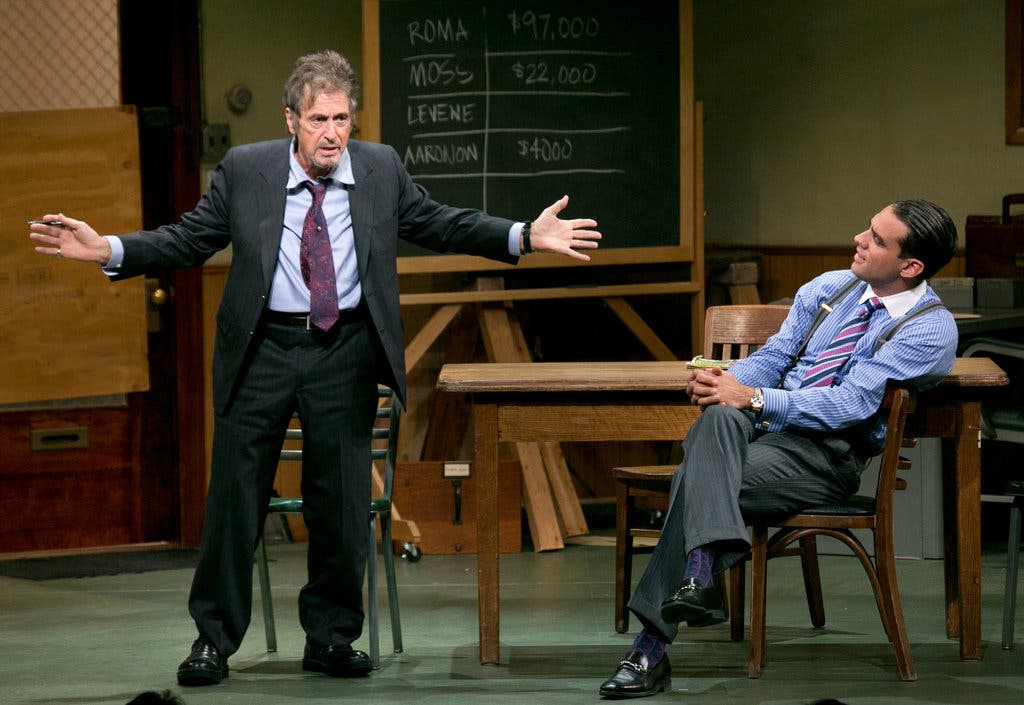





About Algonkian Writer Conferences
in Algonkian Writer Conferences - Events, FAQ, Contracts
Posted
Dilbert is the perfect conclusion!