


EditorAdmin
-
Posts
9,600 -
Joined
-
Last visited
-
Days Won
31
Posts posted by EditorAdmin
-
-
On behalf of Michael and the conference, thank you for this post! I know he missed this back in March. I'm sure he'd love to hear from you.
Connie
-
Best online courses for both writing and rewriting the novel.
-
This is an excellent viewpoint on these core issues! Thank you, Olivia.
Connie
-
You can learn from a negative. The writers must begin this list with that in mind.
Editor Connie
-
Truly impressive list!
-
Introduction to Pre-event Assignments  The below seven assignments are vital to reaching an understanding of specific and critical core elements that go into the creation of a commercially viable genre novel or narrative non-fiction. Of course, there is more to it than this, as you will see, but here we have a good primer that assures we're literally all on the same page before the event begins.
You may return here as many times as you need to edit your topic post (login and click "edit"). Pay special attention to antagonists, setting, conflict and core wound hooks.
And btw, quiet novels do not sell. Keep that in mind and be aggressive with your work.
Algonkian Conference Director
____________
After you've registered and logged in, create your reply to this topic (button top right). Please utilize only one reply for all of your responses so the forum topic will not become cluttered. Also, strongly suggest typing up your "reply" in a separate file then copying it over to your post before submitting. Not a good idea to lose what you've done!
__________________________________________________________
THE ACT OF STORY STATEMENT
Before you begin to consider or rewrite your story premise, you must develop a simple "story statement." In other words, what's the mission of your protagonist? The goal? What must be done?
What must this person create? Save? Restore? Accomplish? Defeat?... Defy the dictator of the city and her bury brother’s body (ANTIGONE)? Struggle for control over the asylum (ONE FLEW OVER THE CUCKOO’S NEST)? Do whatever it takes to recover lost love (THE GREAT GATSBY)? Save the farm and live to tell the story (COLD MOUNTAIN)? Find the wizard and a way home to Kansas (WIZARD OF OZ)? Note that all of these are books with strong antagonists who drive the plot line (see also "Core Wounds and Conflict Lines" below).
FIRST ASSIGNMENT: write your story statement. ___________________________________________________ THE ANTAGONIST PLOTS THE POINT (Photo : Javert from "Les Misérables")
What are the odds of you having your manuscript published if the overall story and narrative fail to meet publisher demands for sufficient suspense, character concern, and conflict? Answer: none. You might therefore ask, what major factor makes for a quiet and dull manuscript brimming with insipid characters and a story that cascades from chapter to chapter with tens of thousands of words, all of them combining irresistibly to produce an audible thudding sound in the mind like a mallet hitting a side of cold beef? Answer: the unwillingness or inability of the writer to create a suitable antagonist who stirs and spices the plot hash. Let's make it clear what we're talking about. By "antagonist" we specifically refer to an actual fictional character, an embodiment of certain traits and motivations who plays a significant role in catalyzing and energizing plot line(s), or at bare minimum, in assisting to evolve the protagonist's character arc (and by default the story itself) by igniting complication(s) the protagonist, and possibly other characters, must face and solve (or fail to solve). CONTINUE READING ENTIRE ARTICLE AT NWOE THEN RETURN HERE. SECOND ASSIGNMENT: in 200 words or less, sketch the antagonist or antagonistic force in your story. Keep in mind their goals, their background, and the ways they react to the world about them.
___________________________________________________
CONJURING YOUR BREAKOUT TITLE
What is your breakout title? How important is a great title before you even become published? Very important! Quite often, agents and editors will get a feel for a work and even sense the marketing potential just from a title. A title has the ability to attract and condition the reader's attention. It can be magical or thud like a bag of wet chalk, so choose carefully. A poor title sends the clear message that what comes after will also be of poor quality.
Go to Amazon.Com and research a good share of titles in your genre, come up with options, write them down and let them simmer for at least 24 hours. Consider character or place names, settings, or a "label" that describes a major character, like THE ENGLISH PATIENT or THE ACCIDENTAL TOURIST. Consider also images, objects, or metaphors in the novel that might help create a title, or perhaps a quotation from another source (poetry, the Bible, etc.) that thematically represents your story. Or how about a title that summarizes the whole story: THE MARTIAN CHRONICLES, HARRY POTTER AND THE CHAMBER OF SECRETS, THE WORLD ACCORDING TO GARP, etc.
Keep in mind that the difference between a mediocre title and a great title is the difference between THE DEAD GIRL'S SKELETON and THE LOVELY BONES, between TIME TO LOVE THAT CHOLERA and LOVE IN THE TIME OF CHOLERA between STRANGERS FROM WITHIN (Golding's original title) and LORD OF THE FLIES, between BEING LIGHT AND UNBEARABLE and THE UNBEARABLE LIGHTNESS OF BEING.
THIRD ASSIGNMENT: create a breakout title (list several options, not more than three, and revisit to edit as needed).
___________________________________________________
DECIDING YOUR GENRE AND APPROACHING COMPARABLES
Did you know that a high percentage of new novel writers don't fully understand their genre, much less comprehend comparables? When informing professionals about the nuances of your novel, whether by query letter or oral pitch, you must know your genre first, and provide smart comparables second. In other words, you need to transcend just a simple statement of genre (literary, mystery, thriller, romance, science fiction, etc.) by identifying and relating your novel more specifically to each publisher's or agent's area of expertise, and you accomplish this by wisely comparing your novel to contemporary published novels they will most likely recognize and appreciate--and it usually doesn't take more than two good comps to make your point.
Agents and publishing house editors always want to know the comps. There is more than one reason for this. First, it helps them understand your readership, and thus how to position your work for the market. Secondly, it demonstrates up front that you are a professional who understands your contemporary market, not just the classics. Very important! And finally, it serves as a tool to enable them to pitch your novel to the decision-makers in the business.
Most likely you will need to research your comps. If you're not sure how to begin, go to Amazon.Com, type in the title of a novel you believe very similar to yours, choose it, then scroll down the page to see Amazon's list of "Readers Also Bought This" and begin your search that way. Keep in mind that before you begin, you should know enough about your own novel to make the comparison in the first place!
By the way, beware of using comparables by overly popular and classic authors. If you compare your work to classic authors like H.G. Wells and Gabriel Marquez in the same breath you will risk being declared insane. If you compare your work to huge contemporary authors like Nick Hornby or Jodi Picoult or Nora Ephron or Dan Brown or J.K. Rowling, and so forth, you will not be laughed at, but you will also not be taken seriously since thousands of others compare their work to the same writers. Best to use two rising stars in your genre. If you can't do this, use only one classic or popular author and combine with a rising star. Choose carefully!
FOURTH ASSIGNMENT: - Read this NWOE article on comparables then return here.
- Develop two smart comparables for your novel. This is a good opportunity to immerse yourself in your chosen genre. Who compares to you? And why?
____________________________________________________
CORE WOUND AND THE PRIMARY CONFLICT
Conflict, tension, complication, drama--all basically related, and all going a long way to keeping the reader's eyes fixated on your story. These days, serving up a big manuscript of quiet is a sure path to damnation. You need tension on the page at all times, and the best way to accomplish this is to create conflict and complications in the plot and narrative. Consider "conflict" divided into three parts, all of which you MUST have present in the novel. First part, the primary dramatic conflict which drives through the work from beginning to end, from first major plot point to final reversal, and finally resolving with an important climax. Next, secondary conflicts or complications that take various social forms - anything from a vigorous love subplot to family issues to turmoil with fellow characters. Finally, those various inner conflicts and core wounds all important characters must endure and resolve as the story moves forward.
But now, back to the PRIMARY DRAMATIC CONFLICT. If you've taken care to consider your story description and your hook line, you should be able to identify your main conflict(s). Let's look at some basic information regarding the history of conflict in storytelling. Conflict was first described in ancient Greek literature as the agon, or central contest in tragedy. According to Aristotle, in order to hold the interest, the hero must have a single conflict. The agon, or act of conflict, involves the protagonist (the "first fighter" or "hero") and the antagonist corresponding to the villain (whatever form that takes). The outcome of the contest cannot be known in advance, and, according to later drama critics such as Plutarch, the hero's struggle should be ennobling. Is that always true these days? Not always, but let's move on.
Even in contemporary, non-dramatic literature, critics have observed that the agon is the central unit of the plot. The easier it is for the protagonist to triumph, the less value there is in the drama. In internal and external conflict alike, the antagonist must act upon the protagonist and must seem at first to overmatch him or her. The above defines classic drama that creates conflict with real stakes. You see it everywhere, to one degree or another, from classic contemporary westerns like THE SAVAGE BREED to a time-tested novel as literary as THE GREAT GATSBY. And of course, you need to have conflict or complications in nonfiction also, in some form, or you have a story that is too quiet.
For examples let's return to the story descriptions and create some HOOK LINES. Let's don't forget to consider the "core wound" of the protagonist. Please read this article at NWOE then return here.
- The Hand of Fatima by Ildefonso Falcones
- A young Moor torn between Islam and Christianity, scorned and tormented by both, struggles to bridge the two faiths by seeking common ground in the very nature of God.
- Summer's Sisters by Judy Blume
- After sharing a magical summer with a friend, a young woman must confront her friend's betrayal of her with the man she loved.
- The Bartimaeus Trilogy by Jonathan Stroud
- As an apprentice mage seeks revenge on an elder magician who humiliated him, he unleashes a powerful Djinn who joins the mage to confront a danger that threatens their entire world.
Note that it is fairly easy to ascertain the stakes in each case above: a young woman's love and friendship, the entire world, and harmony between opposed religions. If you cannot make the stakes clear, the odds are you don't have any. Also, is the core wound obvious or implied?
FIFTH ASSIGNMENT: write your own hook line (logline) with conflict and core wound following the format above. Though you may not have one now, keep in mind this is a great developmental tool. In other words, you best begin focusing on this if you're serious about commercial publication.
______________________________________________________
OTHER MATTERS OF CONFLICT: TWO MORE LEVELS
As noted above, consider "conflict" divided into three parts, all of which you should ideally have present. First, the primary conflict which drives through the core of the work from beginning to end and which zeniths with an important climax (falling action and denouement to follow). Next, secondary conflicts or complications which can take various social forms (anything from a vigorous love subplot to family issues to turmoil with fellow characters). Finally, those inner conflicts the major characters must endure and resolve. You must note the inner personal conflicts elsewhere in this profile, but make certain to note any important interpersonal conflicts within this particular category."
SIXTH ASSIGNMENT: sketch out the conditions for the inner conflict your protagonist will have. Why will they feel in turmoil? Conflicted? Anxious? Sketch out one hypothetical scenario in the story wherein this would be the case--consider the trigger and the reaction.
Next, likewise sketch a hypothetical scenario for the "secondary conflict" involving the social environment. Will this involve family? Friends? Associates? What is the nature of it?
______________________________________________________
THE INCREDIBLE IMPORTANCE OF SETTING
When considering your novel, whether taking place in a contemporary urban world or on a distant magical planet in Andromeda, you must first sketch the best overall setting and sub-settings for your story. Consider: the more unique and intriguing (or quirky) your setting, the more easily you're able to create energetic scenes, narrative, and overall story. A great setting maximizes opportunities for interesting characters, circumstances, and complications, and therefore makes your writing life so much easier. Imagination is truly your best friend when it comes to writing competitive fiction, and nothing provides a stronger foundation than a great setting. One of the best selling contemporary novels, THE HUNGER GAMES, is driven by the circumstances of the setting, and the characters are a product of that unique environment, the plot also.
But even if you're not writing SF/F, the choice of setting is just as important, perhaps even more so. If you must place your upmarket story in a sleepy little town in Maine winter, then choose a setting within that town that maximizes opportunities for verve and conflict, for example, a bed and breakfast stocked to the ceiling with odd characters who combine to create comical, suspenseful, dangerous or difficult complications or subplot reversals that the bewildered and sympathetic protagonist must endure and resolve while he or she is perhaps engaged in a bigger plot line: restarting an old love affair, reuniting with a family member, starting a new business, etc. And don't forget that non-gratuitous sex goes a long way, especially for American readers.
CONTINUE TO READ THIS ARTICLE THEN RETURN.
FINAL ASSIGNMENT: sketch out your setting in detail. What makes it interesting enough, scene by scene, to allow for uniqueness and cinema in your narrative and story? Please don't simply repeat what you already have which may well be too quiet. You can change it. That's why you're here! Start now. Imagination is your best friend, and be aggressive with it.
________________________
Below are several links to part of an article or whole articles that we feel are the most valuable for memoir writers.
We have reviewed these and agree 110%.
MEMOIR WRITING - CHOOSE A SPECIFIC EVENT (good general primer)
How to Write a Memoir That People Care About | NY Book Editors
NYBOOKEDITORS.COM
Are you thinking of writing a memoir but you're stuck? We've got the remedy. Check out our beginner's guide on writing an epic and engaging memoir.MEMOIR MUST INCLUDE TRANSCENDENCE
Writing Memoir? Include Transcendence - Memoir coach and author Marion Roach
MARIONROACH.COM
MEMOIR REQUIRES TRANSCENDENCE. Something has to happen. Or shift. Someone has to change a little. Or grow. It’s the bare hack minimum of memoir.WRITE IT LIKE A NOVEL
How to Write a Powerful Memoir in 5 Simple Steps
JERRYJENKINS.COM
When it comes to writing a memoir, there are 5 things you need to focus on. If you do, your powerful story will have the best chance of impacting others.MEMOIR ANECDOTES - HOW TO MAKE THEM SHINE
How to Write an Anecdote That Makes Your Nonfiction Come Alive
JERRYJENKINS.COM
Knowing how to write an anecdote lets you utilize the power of story with your nonfiction and engage your reader from the first page.________________________
-
Introduction to Pre-event Assignments The below seven assignments are vital to reaching an understanding of specific and critical core elements that go into the creation of a commercially viable genre novel or narrative non-fiction. Of course, there is more to it than this, as you will see, but here we have a good primer that assures we're literally all on the same page before the event begins.
You may return here as many times as you need to edit your topic post (login and click "edit"). Pay special attention to antagonists, setting, conflict and core wound hooks.
And btw, quiet novels do not sell. Keep that in mind and be aggressive with your work.
Algonkian Conference Director
____________
After you've registered and logged in, create your reply to this topic (button top right). Please utilize only one reply for all of your responses so the forum topic will not become cluttered. Also, strongly suggest typing up your "reply" in a separate file then copying it over to your post before submitting. Not a good idea to lose what you've done!
__________________________________________________________
THE ACT OF STORY STATEMENT
Before you begin to consider or rewrite your story premise, you must develop a simple "story statement." In other words, what's the mission of your protagonist? The goal? What must be done?
What must this person create? Save? Restore? Accomplish? Defeat?... Defy the dictator of the city and her bury brother’s body (ANTIGONE)? Struggle for control over the asylum (ONE FLEW OVER THE CUCKOO’S NEST)? Do whatever it takes to recover lost love (THE GREAT GATSBY)? Save the farm and live to tell the story (COLD MOUNTAIN)? Find the wizard and a way home to Kansas (WIZARD OF OZ)? Note that all of these are books with strong antagonists who drive the plot line (see also "Core Wounds and Conflict Lines" below).
FIRST ASSIGNMENT: write your story statement. ___________________________________________________ THE ANTAGONIST PLOTS THE POINT (Photo : Javert from "Les Misérables")
What are the odds of you having your manuscript published if the overall story and narrative fail to meet publisher demands for sufficient suspense, character concern, and conflict? Answer: none. You might therefore ask, what major factor makes for a quiet and dull manuscript brimming with insipid characters and a story that cascades from chapter to chapter with tens of thousands of words, all of them combining irresistibly to produce an audible thudding sound in the mind like a mallet hitting a side of cold beef? Answer: the unwillingness or inability of the writer to create a suitable antagonist who stirs and spices the plot hash. Let's make it clear what we're talking about. By "antagonist" we specifically refer to an actual fictional character, an embodiment of certain traits and motivations who plays a significant role in catalyzing and energizing plot line(s), or at bare minimum, in assisting to evolve the protagonist's character arc (and by default the story itself) by igniting complication(s) the protagonist, and possibly other characters, must face and solve (or fail to solve). CONTINUE READING ENTIRE ARTICLE AT NWOE THEN RETURN HERE. SECOND ASSIGNMENT: in 200 words or less, sketch the antagonist or antagonistic force in your story. Keep in mind their goals, their background, and the ways they react to the world about them.
___________________________________________________
CONJURING YOUR BREAKOUT TITLE
What is your breakout title? How important is a great title before you even become published? Very important! Quite often, agents and editors will get a feel for a work and even sense the marketing potential just from a title. A title has the ability to attract and condition the reader's attention. It can be magical or thud like a bag of wet chalk, so choose carefully. A poor title sends the clear message that what comes after will also be of poor quality.
Go to Amazon.Com and research a good share of titles in your genre, come up with options, write them down and let them simmer for at least 24 hours. Consider character or place names, settings, or a "label" that describes a major character, like THE ENGLISH PATIENT or THE ACCIDENTAL TOURIST. Consider also images, objects, or metaphors in the novel that might help create a title, or perhaps a quotation from another source (poetry, the Bible, etc.) that thematically represents your story. Or how about a title that summarizes the whole story: THE MARTIAN CHRONICLES, HARRY POTTER AND THE CHAMBER OF SECRETS, THE WORLD ACCORDING TO GARP, etc.
Keep in mind that the difference between a mediocre title and a great title is the difference between THE DEAD GIRL'S SKELETON and THE LOVELY BONES, between TIME TO LOVE THAT CHOLERA and LOVE IN THE TIME OF CHOLERA between STRANGERS FROM WITHIN (Golding's original title) and LORD OF THE FLIES, between BEING LIGHT AND UNBEARABLE and THE UNBEARABLE LIGHTNESS OF BEING.
THIRD ASSIGNMENT: create a breakout title (list several options, not more than three, and revisit to edit as needed).
___________________________________________________
DECIDING YOUR GENRE AND APPROACHING COMPARABLES
Did you know that a high percentage of new novel writers don't fully understand their genre, much less comprehend comparables? When informing professionals about the nuances of your novel, whether by query letter or oral pitch, you must know your genre first, and provide smart comparables second. In other words, you need to transcend just a simple statement of genre (literary, mystery, thriller, romance, science fiction, etc.) by identifying and relating your novel more specifically to each publisher's or agent's area of expertise, and you accomplish this by wisely comparing your novel to contemporary published novels they will most likely recognize and appreciate--and it usually doesn't take more than two good comps to make your point.
Agents and publishing house editors always want to know the comps. There is more than one reason for this. First, it helps them understand your readership, and thus how to position your work for the market. Secondly, it demonstrates up front that you are a professional who understands your contemporary market, not just the classics. Very important! And finally, it serves as a tool to enable them to pitch your novel to the decision-makers in the business.
Most likely you will need to research your comps. If you're not sure how to begin, go to Amazon.Com, type in the title of a novel you believe very similar to yours, choose it, then scroll down the page to see Amazon's list of "Readers Also Bought This" and begin your search that way. Keep in mind that before you begin, you should know enough about your own novel to make the comparison in the first place!
By the way, beware of using comparables by overly popular and classic authors. If you compare your work to classic authors like H.G. Wells and Gabriel Marquez in the same breath you will risk being declared insane. If you compare your work to huge contemporary authors like Nick Hornby or Jodi Picoult or Nora Ephron or Dan Brown or J.K. Rowling, and so forth, you will not be laughed at, but you will also not be taken seriously since thousands of others compare their work to the same writers. Best to use two rising stars in your genre. If you can't do this, use only one classic or popular author and combine with a rising star. Choose carefully!
FOURTH ASSIGNMENT: - Read this NWOE article on comparables then return here.
- Develop two smart comparables for your novel. This is a good opportunity to immerse yourself in your chosen genre. Who compares to you? And why?
____________________________________________________
CORE WOUND AND THE PRIMARY CONFLICT
Conflict, tension, complication, drama--all basically related, and all going a long way to keeping the reader's eyes fixated on your story. These days, serving up a big manuscript of quiet is a sure path to damnation. You need tension on the page at all times, and the best way to accomplish this is to create conflict and complications in the plot and narrative. Consider "conflict" divided into three parts, all of which you MUST have present in the novel. First part, the primary dramatic conflict which drives through the work from beginning to end, from first major plot point to final reversal, and finally resolving with an important climax. Next, secondary conflicts or complications that take various social forms - anything from a vigorous love subplot to family issues to turmoil with fellow characters. Finally, those various inner conflicts and core wounds all important characters must endure and resolve as the story moves forward.
But now, back to the PRIMARY DRAMATIC CONFLICT. If you've taken care to consider your story description and your hook line, you should be able to identify your main conflict(s). Let's look at some basic information regarding the history of conflict in storytelling. Conflict was first described in ancient Greek literature as the agon, or central contest in tragedy. According to Aristotle, in order to hold the interest, the hero must have a single conflict. The agon, or act of conflict, involves the protagonist (the "first fighter" or "hero") and the antagonist corresponding to the villain (whatever form that takes). The outcome of the contest cannot be known in advance, and, according to later drama critics such as Plutarch, the hero's struggle should be ennobling. Is that always true these days? Not always, but let's move on.
Even in contemporary, non-dramatic literature, critics have observed that the agon is the central unit of the plot. The easier it is for the protagonist to triumph, the less value there is in the drama. In internal and external conflict alike, the antagonist must act upon the protagonist and must seem at first to overmatch him or her. The above defines classic drama that creates conflict with real stakes. You see it everywhere, to one degree or another, from classic contemporary westerns like THE SAVAGE BREED to a time-tested novel as literary as THE GREAT GATSBY. And of course, you need to have conflict or complications in nonfiction also, in some form, or you have a story that is too quiet.
For examples let's return to the story descriptions and create some HOOK LINES. Let's don't forget to consider the "core wound" of the protagonist. Please read this article at NWOE then return here.
- The Hand of Fatima by Ildefonso Falcones
- A young Moor torn between Islam and Christianity, scorned and tormented by both, struggles to bridge the two faiths by seeking common ground in the very nature of God.
- Summer's Sisters by Judy Blume
- After sharing a magical summer with a friend, a young woman must confront her friend's betrayal of her with the man she loved.
- The Bartimaeus Trilogy by Jonathan Stroud
- As an apprentice mage seeks revenge on an elder magician who humiliated him, he unleashes a powerful Djinn who joins the mage to confront a danger that threatens their entire world.
Note that it is fairly easy to ascertain the stakes in each case above: a young woman's love and friendship, the entire world, and harmony between opposed religions. If you cannot make the stakes clear, the odds are you don't have any. Also, is the core wound obvious or implied?
FIFTH ASSIGNMENT: write your own hook line (logline) with conflict and core wound following the format above. Though you may not have one now, keep in mind this is a great developmental tool. In other words, you best begin focusing on this if you're serious about commercial publication.
______________________________________________________
OTHER MATTERS OF CONFLICT: TWO MORE LEVELS
As noted above, consider "conflict" divided into three parts, all of which you should ideally have present. First, the primary conflict which drives through the core of the work from beginning to end and which zeniths with an important climax (falling action and denouement to follow). Next, secondary conflicts or complications which can take various social forms (anything from a vigorous love subplot to family issues to turmoil with fellow characters). Finally, those inner conflicts the major characters must endure and resolve. You must note the inner personal conflicts elsewhere in this profile, but make certain to note any important interpersonal conflicts within this particular category."
SIXTH ASSIGNMENT: sketch out the conditions for the inner conflict your protagonist will have. Why will they feel in turmoil? Conflicted? Anxious? Sketch out one hypothetical scenario in the story wherein this would be the case--consider the trigger and the reaction.
Next, likewise sketch a hypothetical scenario for the "secondary conflict" involving the social environment. Will this involve family? Friends? Associates? What is the nature of it?
______________________________________________________
THE INCREDIBLE IMPORTANCE OF SETTING
When considering your novel, whether taking place in a contemporary urban world or on a distant magical planet in Andromeda, you must first sketch the best overall setting and sub-settings for your story. Consider: the more unique and intriguing (or quirky) your setting, the more easily you're able to create energetic scenes, narrative, and overall story. A great setting maximizes opportunities for interesting characters, circumstances, and complications, and therefore makes your writing life so much easier. Imagination is truly your best friend when it comes to writing competitive fiction, and nothing provides a stronger foundation than a great setting. One of the best selling contemporary novels, THE HUNGER GAMES, is driven by the circumstances of the setting, and the characters are a product of that unique environment, the plot also.
But even if you're not writing SF/F, the choice of setting is just as important, perhaps even more so. If you must place your upmarket story in a sleepy little town in Maine winter, then choose a setting within that town that maximizes opportunities for verve and conflict, for example, a bed and breakfast stocked to the ceiling with odd characters who combine to create comical, suspenseful, dangerous or difficult complications or subplot reversals that the bewildered and sympathetic protagonist must endure and resolve while he or she is perhaps engaged in a bigger plot line: restarting an old love affair, reuniting with a family member, starting a new business, etc. And don't forget that non-gratuitous sex goes a long way, especially for American readers.
CONTINUE TO READ THIS ARTICLE THEN RETURN.
FINAL ASSIGNMENT: sketch out your setting in detail. What makes it interesting enough, scene by scene, to allow for uniqueness and cinema in your narrative and story? Please don't simply repeat what you already have which may well be too quiet. You can change it. That's why you're here! Start now. Imagination is your best friend, and be aggressive with it.
________________________
Below are several links to part of an article or whole articles that we feel are the most valuable for memoir writers.
We have reviewed these and agree 110%.
MEMOIR WRITING - CHOOSE A SPECIFIC EVENT (good general primer)
How to Write a Memoir That People Care About | NY Book Editors
NYBOOKEDITORS.COM
Are you thinking of writing a memoir but you're stuck? We've got the remedy. Check out our beginner's guide on writing an epic and engaging memoir.MEMOIR MUST INCLUDE TRANSCENDENCE
Writing Memoir? Include Transcendence - Memoir coach and author Marion Roach
MARIONROACH.COM
MEMOIR REQUIRES TRANSCENDENCE. Something has to happen. Or shift. Someone has to change a little. Or grow. It’s the bare hack minimum of memoir.WRITE IT LIKE A NOVEL
How to Write a Powerful Memoir in 5 Simple Steps
JERRYJENKINS.COM
When it comes to writing a memoir, there are 5 things you need to focus on. If you do, your powerful story will have the best chance of impacting others.MEMOIR ANECDOTES - HOW TO MAKE THEM SHINE
How to Write an Anecdote That Makes Your Nonfiction Come Alive
JERRYJENKINS.COM
Knowing how to write an anecdote lets you utilize the power of story with your nonfiction and engage your reader from the first page.________________________
-
We can add several more just accomplished over the last couple months, but why bother? How can 200 be more convincing that 183?
-
"If the people are real, then the story will be real too!"
-
Why should they be less high when you are writing a break out novel with the goal of becoming a career author?
-
I thought I recognized her in the parking lot at Safeway last week. It scared my hair back to salt.
-
Friggin' amazing new event. The website is a stunner!
Connie
-
All of the following are critical to your success at the conference, and to your goals following the conference.
By this time you should have completed the first seven assignments (title, story statement, etc.) or you’re at least in the process of completion. If you haven’t touched it, you’re either ahead of the game or you’re making a critical mistake. These assignments, and those which follow, serve two purposes: to enable you to conceive and write a more perfect novel, one that might actually sell; and secondly, to instill within you with a language and knowledge base that will make meetings with publishing and tv/film professionals far more productive.If a member of the faculty asks you to define your first major plot point, inciting incident, or last major reversal before climax, you must comprehend the nature of these plot elements (for starters!), and deliver the response in a manner that demonstrates you are a professional. Amateurs *always* stick out, and they say “um” a lot, thereby failing to live up to our motto:From the heart, but smart.Besides displaying a high concept premise, the faculty also expect your genre or upmarket tale to be creatively developed using a certain approach and structure—one also utilized by screenplay writers—namely, the dramatic act structure. Whether the novel is a single, coherent plot line, or a parallel plot line with two major protagonists, the overall story progression manifests a readily identifiable endoskeleton, so to speak, i.e., an array of familiar points and notes along a story arc from beginning to end. There is more than one version of this, but they all achieve pretty much the same results: the Three Act, Nine Act, and the Six Act Two-Goal. A very good example can be found here.The above is included with your assignments and its importance cannot be overstressed. One of THE biggest reasons novels by unpublished writers fail is because the author is not sufficiently adept at plotting. A novel with a great start but a “saggy middle” always results from an inadequate understanding of how plot must work in order to satisfy the needs and expectations of readers, agents, and editors. Quite often, writers will bring stories and pitches to the NY event that are nothing other than circumstances, sets, and characters mixed into a quasi-amorphous stew, whirlpooled into forced fusion like fragments of a television season.A sign this is the case can almost always be found in the pitch itself.Acquisition editors, experienced agents, and other professionals usually don’t expect to get much traction out of the usual writer conference, but our events always surprise them. We mean to keep it that way. Our reps are on the line, and the better you look, the better we look. The more subs requested, the more contracts cut, the more willing our faculty are likely to return. No question. We also love the publicity and energy generated when the contracts flow.How could we not? It’s an addiction.This is the conclusion of “Relentless Application Part I.” The information delivered above is non-negotiable. If it doesn’t square with what you’ve been told up until now, then choose the wise path of change. Rewrite as necessary.Remember, there are no great writers, only great rewriters. -
Now that you've fully absorbed Relentless Application I, you must approach Part II.It begins with Labors, Sins, and Six Acts. Read this article in its entirety. It concludes with a great deal of linkage to important essays and articles on novel conception, development, and narrative style, as well as on the many pitfalls of poor preparation. Will there be sources of revelation or items of crucial guidance you’re not yet aware of? Yes, no question, and like the discussion of dramatic act structure noted in RA I, the knowledge revealed here, in the context of developing and writing publishable commercial fiction, is generally non-negotiable. Why? Because for the most part, and like dramatic act structure, it details a score or more of important elements both publishers and readers demand be present in contemporary novels.As a bonus, it dispels the ever-lingering smoke of ridiculously stupid advice by creating models and drawing examples directly from the best authors in all genres, and we refer to this method as "model-and-context." In other words, as an aspiring author you examine models of both narrative and structural technique utilized by numerous authors in a variety of ways, and by doing so, provide yourself with a bridge to application in the context of your own work-in-progress.And btw, not one shred of this advice is arbitrary or culturally derived.For example, we don't gavel-slam against the teaching of writing because the Iowa Writing Program bizarrely denies the possibility, or frown on plotting because Stephen King proclaims his divine disdain from the snow-job bluffs of Mt. Olympus.But back to reality. If for some bad reason you have not, or cannot read every vital article contained in Labors, Sins, and Six Acts, get a cup of coffee, curl up before the fireplace for an hour or so, and read these asap:
- Ten Carefully Chosen First Steps For Starting the Novel (sure you know them all?)
- The Epiphany Light You Must Enter (major vision adjustment)
- Seven Critical Novel Rejection Sins (the blunt and pithy Richard Curtis)
- Loglines and Core Wounds as Development Tool (combine with high-concept below)
- The Six Act Two-Goal Novel (dramatic act structure outline – crucial)
And it’s not over yet. Alas! We must now inevitably stress the following three core elements because at the onset of novel conception they will have the biggest cascade effect on the work as a whole :
1. Choice of Novel Setting
2. Uniqueness of Primary Antagonist
3. High-concept Premise
Consider the extreme necessity of a story idea that sounds sufficiently unique to stand out in today’s crowded market. Consider next the most important character in genre fiction, the antagonist, and their role in galvanizing the entire dramatic act structure.And finally, consider that without a dynamic and intriguing setting how much more difficult it will be for you to create characters, complications, and circumstances that will sufficiently enhance the novel enough to make it truly memorable and quite marketable. Keep in mind also that theme, dramatic act structure, protagonist, and all else derive organically from these core elements.And to answer ahead of time the one question that inevitably gets asked by writers who don’t wish to create an actual antagonist: can a protagonist be their own antagonist? Answer: they can be whatever you wish, but if you really desire to become published and therefore not waste time and effort on your manuscript, then follow the advice offered above and create a living, breathing antagonist (unless they’re space aliens who don’t need lungs).NOTE: all NY Pitch writers should be prepared to discuss their work in the context of elements presented above.Never forget, we are the makers of novels, and we are the dreamers of dreams.There are no great writers, only great rewriters. -
Pre-event work below in three parts. Please read carefully and complete all of it. You might get a little woozy or be astonished, but push through. You’re responsible for the seven assignments, the several score readings in the next section beginning with Labors, Sins, and Six Acts, and from there, jump to section III, log into the Algonkian Novel Writing Program, and get started.Lot’s to do! Is it ever enough? No. But we’re getting close. All of this is crucial and fundamental. Don’t recoil if portions won’t comport with what you’ve been told elsewhere (writer groups, conferences, chat boards, etc.) because the odds are extremely high, in this case, that what you’ve been told is wrong, if not potentially ruinous. Keep in mind that our advice is thoroughly based on applying methods of approach, structure, and craft learned from great fiction writers and authors.We all stand on the shoulders of those gone before.Seven Assignments Firstwe include a seven short assignments forum that will persuade you to consider several crucial and foundational aspects of your commercial novel project. Think of them as a primer. All together, they should not take you more than a few hours at most. Complete them at your convenience and post the responses. Your responses to these assignments will be reviewed by faculty with an aim towards achieving a better understanding of your project and its current stage of development.We recommend writing down the answers in a separate file and then copying them into the forum to prevent any possible loss of data. To enter this forum (Algonkian Author Connect), click on the “Sign Up” link, top right and follow the instructions regarding password, email, etc.Critical Readings in Market and DevelopmentNext stop is Labors, Sins, and Six Acts – The Novel Writing Guide. The first category concerning novel trip wires (culled from “Novel Writing on Edge”) is a must read. We assure you there is a deluge of vital information here, perhaps any number of things that will make your novel or narrative non-fiction stronger and more competitive. Can it be too good? Don’t think so... And if the next category looks overly daunting, focus initially on the first eight articles from “High Concept Premise” to the “Six Act Two-Goal Novel.”The Algonkian Novel Writing ProgramThe Algonkian novel writing program is open to all Algonkian and NY Pitch writers (no extra fee) and is one of our best novel manuscript tweakers on all levels. Whatever your skill set or knowledge base happens to be at the moment, keep in mind there is always more to learn. There are no great writers, only great rewriters. We want you to see you fitted for that brass ring, and if we can nudge you across the line by providing the best guides and tools possible, then why not? It’s the least we can do._________Our strong advice is to complete the first two parts above, in order, then approach the first eight modules of the novel writing program. You can begin the program before the event, or afterwards, whatever makes more sense in your situation.Following your posting of the first seven assignments noted above, you may return to edit later, as needed, using the same login. As with your application, all sign-up information supplied is confidential and will not be shared with any third parties under any circumstances.
-
As noted previously, steps for you to take following the conference for purposes of further structural and narrative development. Don't fail to take it seriously. Everyone needs rewrites. Keep in mind, you are in a fierce competition with the nation’s best writers. You need ALL THE EDGE you can get.1. The Algonkian Novel Writing Program - reality check and polish the intricacies of character arc, setting, theme, opening hook, plot and dramatic rising action from first page to final denouement.2. The Prose and Narrative Enhancement Forum - all the elements you must consider in order to write imaginative and compelling execution. In other words, can’t-put-it-down pages.
-
Going into 2021, the forces of good at Algonkian Writer Conferences labored intensely to create a single master source for novel development, research, writing, and marketing known as Algonkian Author Connect. As we’ve indicated in previous mails, the guidance and material available there should be utilized in conjunction with the Algonkian Novel Writing Program (which you now have access to). Overall, AAC presents itself as an effective concept-to-query solution supported by our best tie-breaking advice and crucial nuanced guidance including essays and articles from Novel Writing on Edge.As an NY Pitch writer, the entire program is available to you. We highly recommend it for all major and minor edits involving your current novel, and as a launch platform for planning and executing a new novel—not to mention as a viable means for marketing your breakout (in tandem with conference networking and ms requests) to professionals in both the publishing and TV/Film business going forward into 2022 and beyond.So what’s the end game? We figure if we can create the best environment possible for assisting you, we’ve not only done a good thing, but also made it possible for you to perhaps give us a bit of credit down the road.It’s not as if we lack an ample selection of grateful alumni, but the process must continue.
-
THE NEW YORK PITCH CONFERENCEWorkshop the Novel, Pitch the HouseDear Writer,Before you can sell a viable commercial novel to a publishing house, you must work towards the goal of writing a viable commercial novel while simultaneously learning how to artfully pitch it. You will have a minute to deliver the actual pitch, and if you think this is not enough time, think again. It is more than enough. The idea is to communicate clearly and hook your listener. Your pitch must include a SCENE SET (as necessary), a focus on your PROTAGONIST (tell it through their point of view), sufficient PLOT TENSION deriving from a PLOT POINT (an event/circumstance/action that significantly changes the course of the story), and finally, a wrap with a CLIFFHANGER.So what's a cliffhanger? Regardless the genre, literary or thriller or SF, the cliffhanger begs the ultimate question, and it’s always the same in one way or another: WILL BECKY SAVE THE FARM AND LIVE TO TELL THE STORY? Once done, you want the conference editor or agent to ask for more.Please review the following guidance at Novel Writing on Edge where you’ll find two pitch models and further elaboration:Best,Editors and StaffNew York Pitch Conference
-
THE Algonkian ConferencesDear Writer,You are well advised to join Publisher’s Marketplace. Why? Because it lists recent sales by agents to publishers broken down by genre and provides a neat story-hook line (log line) for each sale that serves as a potential model for you. PM shows precisely what type of work is now being published in your chosen genre, thereby providing a comparison for your own work, and as a bonus, you learn the identities of productive “in the loop” agents (good to know regardless of circumstances).All in all, if commercial publication is your goal, PM is invaluable. The search feature is efficient and fairly straightforward. Membership is around $20 per month, but well worth it.The type of knowledge PM provides will give you a distinct edge over the competition.Sincerely,
New York Pitch Editors and Staff -
A subject that often goes by the wayside until too late.
People say, I write for myself, and it sounds so awful and so narcissistic, but in a sense if you know how to read your own work—that is, with the necessary critical distance—it makes you a better writer and editor. When I teach creative writing, I always speak about how you have to learn how to read your work; I don’t mean enjoy it because you wrote it. I mean, go away from it, and read it as though it is the first time you’ve ever seen it.
- Elissa Schappell____________
Twenty years, several novels, a room full of edited manuscripts, and hundreds of workshops later, I'd like to share three self-editing techniques for narrative that I've effectively utilized on a spectrum from foundation to final-page cherry.
First Multi-Part Editorial Phase
After pounding out a few pages on any given day, I devote a hour or so at the end to clean up, i.e., I read over what I've written and immediately make corrections to the most obvious flubs. It's easy. I don't want to have to deal with the rudimentary stuff when I return weeks later to engage in deeper second-stage editing.
Three to six weeks later (recommend no less than a four week hiatus) while continuing to push forward into the story, I come back around to the pages noted above. How many at a time? It varies. Let's say I'm second staging with a full scene, three to five pages. Sufficient time has elapsed that I cannot avoid spotting the necessary line edits. I rearrange sentences, swap words, zap any excessive "to be" passives, and make certain my narrative verve and cinema are both up to grade, among other things.
It's odd that you cannot see the second stage edits right away. Your eye is like a stone skipping over water if you attempt to revise too early. You just need time away. I cannot explain it, though I'm sure an explanation exists. Nevertheless, it's written in stone, even if it does skip over water: you must put the pages out of sight for a sufficient time, thereby giving your brain time to reboot.Writers who are new to this mind-altering process will inevitably engage in even more edits as they work towards a reasonably well-edited manuscript. This assumes, of course, they pretty much know what they're doing in the first place.
So this process continues. First stage immediately, second stage later, looping and looping.
Now, once the manuscript official second draft begins, days or weeks after second-stage editing is completed for the the first, I return once more to the novel's opening hook (following a hiatus of a few months). And guess what?Yes. I see MORE EDITS.
At this point I exist in a condition of editorial third stage. Not only do I see edits to the previous edits, but also other edits I missed previously despite the two stages. How did I miss them? How? Don't ask me. It can be maddening, but I'm grateful.
Will this never end you ask?Your eye is like a stone skipping over water if you attempt to revise too early. You just need time away. I cannot explain it, though I'm sure an explanation exists.
Writers who are new to this mind-altering process will inevitably engage in even more edits as they work towards a reasonably well edited manuscript. This assumes, of course, they pretty much know what they're doing in the first place. Do they? More often than not, they don't. I once edited my first scene in All the Dark We Will Not See over 35 times, i.e., until I learned enough to do it right... No kidding. And guess what? That's not unusual.
Back to the ms. As I progress through rewrites, the third stage continues, all the way to the end of the novel. Things are looking pretty good... but wait. I now decide I must add a third viewpoint. What happens? Hold back the tears, here comes a lot of writing, rewriting, and the necessity of engaging in the three editorial stages yet again, necessary to polish that huge new helping of words just plopped onto the novel plate.
So you see, brace yourself for a jerky forward movement, especially if your veteran status is not yet earned.Phases II and III - Rerouting of the Editorial Brain
Once I've polished the ms using the stage technique above, I switch techniques.
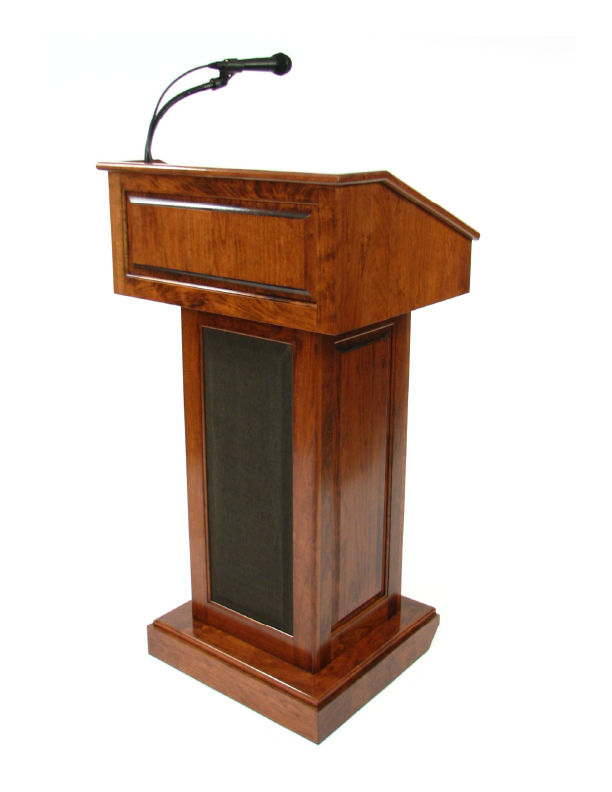
I role play a game wherein I'm giving a reading of my new novel to a group of both writers and readers. In the scenario, the writers are excellent ones known to me, perhaps one or two publishing house editors also, and several readers who are fans of this particular genre, plus at least one severe critic who despises me. I'm standing behind a wooden lectern upon which my manuscript pages rest. I'm at a Barnes and Noble, or another local bookstore. My eyes glance up only long enough to catch a glimpse of the onlookers I note above. I begin to read. I either hear the words in my throat or I actually read them out loud, all the while existing in the fictional reality.Because upon using this final editorial screen, by placing separate passages through yet another filter, I see edits never before witnessed. Necessary edits.
By some twist of consciousness, I hear the necessary edits as I read. I've rerouted my brain to digest the words in a different manner. Utilizing this effective method, I'm able to apply 99% of the final editorial coat. I hear the edits for every 100 words or so (it can vary) and stop to correct the ms, and I continue in that manner, reading, halting, editing, and moving forward.
Following on above, I have one more technique to share.
This is a second brain reroute for the final nitpick edits. Again, I fail to comprehend how it works, but it succeeds. First, I choose a few slices of narrative, say around 200 words each, and I ask myself, "Which one of these passages is sharp and clean enough to appear on the novel back cover as a shining example? Answer? Zero... Why? Because upon using this final editorial screen, by placing separate passages through yet another filter, I see edits never before witnessed. Necessary edits.
How had I missed them previously? Don't ask. It matters not. Again, it works. So now you have three phases of editorial technique at your disposal. Precisely how you utilize them as you evolve into a masterful fiction writer will create customizations, no doubt, so keep that in mind.
Scimas Via
Michael Neff
_____________ -
We share that common dream. Your imagination becomes our memory.
-
Those who argue against this often attempt to equate rigid adherence to an outline with the basic concept of an outline, thereby using the former to negate the latter, when in truth, "rigid adherence" is an extreme that no real writer utilizing a novel outline would entertain in the first place.
Admin
-
Each one is bits and pieces that add up to a more complete picture of the event as a whole.
-
This is so crucial and yet it goes ignored by 99%. They learn about it later, after years of pointless query letters.
 The below seven assignments are vital to reaching an understanding of specific and critical core elements that go into the creation of a commercially viable genre novel or narrative non-fiction. Of course, there is
 (Photo






Algonkian Writer Conference Reviews - Careers, Comments, and Contracts
in New York Write to Pitch 2023, 2024, 2025
Posted
THE FOLLOWING COLLECTION OF REVIEWS, CONTRACT NEWS, AND GENERAL COMMENTARY INVOLVES ALGONKIAN WRITER CONFERENCE EVENTS OVER THE PAST SEVERAL YEARS. THESE ARE AN ESTIMATED 20-25% OF THE TOTAL MAILS, INTERNET POSTINGS, AND OTHER COMMUNICATIONS SENT TO US. WE APOLOGIZE TO THOSE WHOSE REPORTS AND OBSERVATIONS HAVE NOT BEEN INCLUDED HERE. PLEASE KNOW WE ARE GRATEFUL FOR YOUR COMMUNICATIONS.
________________________
I really wanted guidance and a professional opinion to help me decide if my writing was "good enough" to pursue seriously. So I signed up for the Algonkian Writers Retreat with Michael Neff. It was a wonderful experience. I told him my idea for THE BETTER MOTHER and over the five-day workshop, he and his faculty helped me flush out the idea more solidly, write an outline for the whole novel, and write a pitch for whenever it would be ready to query. I went home and finished the first draft within five months. I kept in touch with Michael and he recommended editors to help me polish it, and by April of 2024, I was ready to send out my first queries... I sent my very first query on April 18, 2024 and got an offer of rep from my dream agent on July 30!
- Jennifer Van der Kleut
A Life-Changing Experience - Leading to a Book Deal. If I could capture my experience at the New York Write to Pitch Conference in a single word, it would be "transformative." It's a unique blend of a supportive writing community and insightful mentorship that sparked a revolution in my writing approach. The preparatory reading assignments alone were worth their weight in gold. They stretched my understanding of narrative structure and character development, reshaping my own work. I can't emphasize enough the value they added to my writing journey.
 - Crystal Rivera
Assignments sent out the weeks preceding the event are a priceless expedition through your own story... By the time you get to your destination–be it Monterey or New York–you know the lingo, you have attempted a pitch (which they help to perfect) and you have a much deeper understanding of the story you’re trying to tell.
 - Mindy Halleck
You guys have clearly worked very hard to develop a terrific event for upcoming writers. It's exactly what people need: support in producing a commercial idea, plus contacts to help sell it.... It was brilliant, and great to get to know you and Audrey too. I'm so glad I flew over from England or it.
I know three people who've attended [New York Pitch]. I went to one of the after parties with one of those people. It's definitely worth doing. One of those people got a six-figure book deal out of it, the other two got very serious offers.
Prepare yourself to have to rewrite the book, though. The people there will tell you what edits you'll need to make in order to sell the book to them.
 - Eleanor Konik
A Sample of Twitter Posts
______________________________
I received a contract from Harper Collins in 2021 as a result of an agent I met at the NY Pitch Greatest Show on Earth circus. I say "circus" not in a derogatory way, but as a good metaphor to utilize when describing the creative and delightful social chaos of the event itself.
The studios are the equivalent of circus rings, each with their own culture, ringmasters, and applause. The hallways brim with entertainment art like a maze between the tents, echoing with the sounds of audition. Mouths are open, eyes are big, tears and laughter are real, and I'm going again, even if just to watch.
And on top of everything else, I learned more about good fiction writing than in three years of groping for an MFA.
 - Marion Clark (Bestseller3)
NEWS : NEW YORK PITCH ONLINE
 At recent New York Pitch events held online via high-tech video conferencing, upwards of 67 projects were chosen for professional consideration by NY Pitch faculty for both book and TV/film markets. Agents, publishing house editors, and producers in attendance included agent Amy Stapp from Wolfson Literary, editor Hannah O'Grady from St. Martins, film producer Ken Atchity of AEI/Story Merchant, senior agent Michelle Richter of Fuse Literary, editor Elle Keck from Harper Collins, editor Miranda Hill from Penguin-Random House, editor Chris Morgan from Tor/Forge, editor April Osborn from Harper Collins, film/tv executive Brendan Deneen from Assemble Media, senior agent Paula Munier of Talcott Notch, and editor Gwen Hawkes from St. Martins. Novels selected from multiple genres included SHOUTING AT LEAVES, WAR GODS OF AFRICA, ALL THE GIFTED, GOD OF THE FALLEN, THE GIRL WHO SOLD DEATH, THE WASTELAND CREW, RESURRECTION ARC, LAST SORCERESS OF ROME, AMERICAN CALIPHATE, THE RULES OF HAUNTING, A MILLION MILES TO DAISY, THE SIFTING, WOUND SOWER, GETTING RID OF DAVION, A DEATH OF ANGELS, THE DARK RESISTANCE, and THE GREATEST ELECTRICAL SCIENTIST.
Pitch Playlist:
I got two invaluable things out of the recent Algonkian Writers Conference. One was the repeated admonition to utilize all the tools of the craft. Even those of us who've written for a living forever can always use this reminder. A carpenter wouldn't attempt to frame a house without tools and neither should a writer ever sit down without his or her full arsenal at hand... Secondly, The Algonkian Writers Conference is a no-nonsense primer on all that needs be done to prepare a manuscript for presentation. Agents are deluged with thousands of MS yearly and only a few are ever advanced to a publisher. Hence, a pitch, a log line and a synopsis must be absolutely sensational to garner even the slightest attention. In that regard, this is not a feel-good seminar. Some hearts were broken and some treasured ideas were trashed by the agents who attended. But from the first hour of the first day, faculty emphasized the cold facts and discouraging numbers of the trade, urging us to beat the odds by avoiding the errors and pitfalls of the amateurs.
Now, there is some unavoidable tedium associated with such a gathering, when people are working on projects that seem silly or meaningless to you, but I found it helpful to pay attention to everyone's presentation in order to hone mine to a better polish. In doing so I discovered that the focus of my project needed to be compressed and a new angle of attack implemented.
I recently attended the Algonkian Writers Conference and found the experience to be invaluable. Michael Neff led the conference with ethics and integrity. He clearly explained the tools needed to successfully write and publish including reviewing tension, plot outline, character development, dialogue, and perfecting a pitch and synopsis. Michael Neff carefully and relentlessly worked with each writer to assist them in polishing their pitch for agents and troubleshooting the novel in general. This was exactly where I needed to be. Some of the feedback was, indeed, sobering, but I wasn't promised the conference would be a string of feelgood sessions. The work we accomplished was real and the feedback was real. I concur with the review submitted by Burr Synder. My thanks goes to Michael Neff for his patience and attention to detail in designing a writer's conference that was truly meaningful.
I've been to three of these Algonkian Writing Conferences, including both writing conferences and a Pitch Your Book session in New York City and on the whole they provide good education for a reasonable price... As the publishing business gets more and more difficult, I'm not convinced agents and editors have the time to read queries very easily. Being in front of them is a definite way to improve your odds of at least getting decent feedback. The Agonkian Writing Conferences provide, IMHO, far better value than some of the 'bigger' conferences where the interactions are increasingly staged and short-lived.
____________________________
I was beginning to get discouraged in the "find an agent game." I'd managed to wrack up a more than a few rejections on the queries I'd sent out. Then at the conference, with the help of an amazing workshop leader, I was able to improve my pitch. Three out of four editors at the conference requested my manuscript! That and the enthusiasm of my fellow attendees gave me heart. With an improved pitch and the editor interest to back me, I jumped back into the fray, Now, a few months later, I've signed with Emily Sylvan Kim of the Prospect Agency.
____________________________
Despite my many years as a journalist and non-fiction author, the transition into writing good fiction was difficult for me. Upon taking the Algonkian workshop, it all came into focus. For the first time, I am aware of the techniques and craft it takes to write a competitive manuscript.
____________________________
"So pleased to share this news with you and extend my thanks once again for the career boost from the pitch conference: "Rosemary DiBattista's (writing as Rosie Genova) MURDER MARINARA, first in a new mystery series featuring a quirky Italian-American family and their restaurant on the Jersey Shore, to Sandy Harding at NAL, at auction, in a three-book deal, by Kim Lionetti at BookEnds."
 Rosemary DiBattista, author of MURDER AND MARINARA
"I attended Algonkian conferences in NYC and San Francisco in 2009 and 2010. They were among the best experiences in my writing life. I met some of the most powerful people in the publishing industry, both major publishers and agents ... I was offered a publishing contract by Harper Collins UK soon after my last visit to an Algonkian conference. I am now translated into 10 languages."
 Laurence O'Bryan, Author of THE MANHATTAN PUZZLE
"Algonkian offered me the opportunity to be part of a real writers group where my ideas and evolving characters were first introduced to other writers and potential readers. That critique allowed me to tweak my characters and storyline to perfection. Algonkian's approach in fine tuning my pitch helped me to tighten my manuscript as well. As a result, my manuscript sold to the very first publisher who saw it."
 Roberta Gately, author of LIPSTICK IN AFGHANISTAN
"My workshop leader at the NYC Pitch and Shop Conference, Michael Neff, believed in me. The careful advice, connections, and publishing savvy I received there made all the difference. Because of that conference, I was introduced to the woman who became my editor at Berkley Penguin, and later to the woman who became my agent."
 Ann Garvin, author of ON MAGGIE'S WATCH
"This conference helped me TREMENDOUSLY. Tremendously. I changed the title of my manuscript after it was clear that our group didn't really care for it, and the title change helped me realize some of the book's themes; I was asked to submit my manuscript to an editor at Penguin (something I put on my query letters); and I tightened my query to the point where I was 90% successful in terms of agents asking for partials or fulls. I also met some good writers there. Three of the writers in the group I was in have made deals. I'm with Shaye Areheart; another writer is with Plume; another is with Knopf."
 Will Lavender, Author of OBEDIENCE
My weekend at the New York Pitch Conference was one of the few highlights in my beginning writing career. The tutoring from the workshop leaders, the support and encouragement of my fellow writers, and especially the feedback from the editors was well worth my time and money. Three of my children attend private universities and three others are enrolled in expensive athletic programs- (that's right- six children, one husband, a mortgage and a whopping grocery bill) pennies are precious, my spare minutes are few, but I considered the conference invaluable.
I shopped conferences extensively before choosing the New York Pitch Conference. Because I've a finished manuscript that has been extensively work-shopped, I wanted a conference where I received personal evaluation and critique by professionals who are top in their league. I got what I wanted and more.
I went to the most recent conference worrying how to juggle four editors all wanting my well-written, professionally-edited, much revised story. That was not a problem, however. I learned that my masterpiece is going to rot until I learn how to pitch and market the theme (a.k.a. premise).
At another writer's conference, I had 15 minutes each with an agent and editor who, having previously read some of the manuscript, told me my writing was excellent, the humor great, etc. But they weren't interested. At the NYC Pitch & Shop conference, I learned why. If you cannot sell your novel idea within the first two minutes, the remaining time is for polite chat. That's the real world.
The New York Pitch Conference, as rumored, is cool, and like someone said, a little like American Idol. Writers are real tense and anxious about their meetings and the responses they are getting.
Some of them cry and others storm around, but the pitch staff calm them down. They have too much stake in the process and want to quit their day jobs.
I don't blame them, but ya gotta have perspective.
One of the coolest things about the New York Pitch Conference is the venue at Ripley-Greer. Lots of art and cool theater people and ooooh la-la dancers of both sexes mingling and rubbing shoulders with the writers.
Never seen anything like it, really.
I attended the most recent New York Pitch Conference and as a currently unpublished author found it to be well worth the time and expense. I travelled from North Carolina, paid for a NY hotel (at a reduced rate thanks to the conference sponsor) plus airfare. Not only was I able to refine my pitch and present it to interested publishers, but participants were able to sit in on early pitch sessions and benefit from the professional critique of other pitches.
Oh, and by the way, an executive editor who has worked with the likes of Tom Clancy is currently considering my mystery-thriller manuscript for publication. How much is that worth?
Before attending the conference, one ought to do one's research. From what I was led to understand, there were no guarantees. It was not advertised to be anything more than a conference for pitching to editors - face to face. I did not expect editorial help, except as related to the pitch, and I was given more than I expected. I was also given a peep-hole into the current state of affairs in fiction, and I saw what kind of a crapshoot it is - not just for writers but for editors, as well. I saw that editors who were known for taking a certain kind of fiction could be on the lookout for other kinds, so long as it met this nebulous criteria of seeming marketability. When I parted with my $500, I knew from outset that there was a chance that none of the editors might want to see my work, and even if they all wished to see it, that there was no guarantee any of them would take it. It was difficult, but it was an experience I'm grateful for. It was informative, as well as being a reality check, it was helpful in providing editorial contacts, and it was an opportunity for bonding with other writers. The people in my group and our facilitator were first rate human beings.
I attended in March. Before applying, I studied the website. I made sure I was the kind of writer who might find the experience -- and hence the expenditure -- worthwhile. It was obvious that there were no promises made regarding contracts, fame, or fortune. What you were promised was face time with 4 editors, and what was promised was ABSOLUTELY delivered.
On the first day, participants were aided in developing their pitches -- a very different animal from the standard query letter -- and during the following days, we pitched and honed accordingly, all the while aided by the conference organizers and presenters. Personally, I came away with more than I initially expected. 3 of the 4 editors asked for partials and/or the entire manuscript. My novel is still under consideration by an editor I never would've reached via the slush pile. Other participants had similar success, while others still received a much needed reality check, or simply insight as to how the publishing world works. There were disappointments to be sure, but it wasn't due to the conference, it was due to the individual manuscripts. Writing is a subjective art form, like love, and like love, not everybody found a match during our "speed dating" sessions with the editors. However, everyone in my group -- regardless of their success level -- found the experience worthwhile.
Most importantly, I met a lot of great people who do what I do and are at the same place in their literary pursuits. I live in the Midwest. I don't come across many people who are aspiring authors. Writing is a solitary endeavor and to have met a few colleagues, as well as another writer with whom I now exchange work and have a real and lasting friendship is, as the Mastercard ad says, priceless.
Like others, I came from quite a distance and found the workshop to be more than I had been able to imagine, because I had no idea that what we were going to learn was so labor intensive. I couldn't imagine how it could take three full days to perfect a one to three minute pitch. I can now, and really have a grasp of what I've taken on. This line of work--writing fiction--is no where near an easy task. Sometimes I wonder if I'm off the deep end, but I love the writing and so am willing to keep trying. I appreciated the fact that there were no punches pulled. The Shop staff were almost brutally honest when it came to my writing and that is exactly what I wanted. And, I was told what was wrong and what road to take to fix it. Again, exactly what I wanted. I was told from the first that only a certain level of writing was accepted at this 'conference', and I found that to be true. It was scary exciting and intimidating, as well as motivating to participate in this workshop. Like anything, no one thing works for everyone.
I came from Canada, another from the Cayman Island, others widely from across the USA. The conference offered training in how to "pitch" one's manuscript, and it offered a face-to-face opportunity to pitch to four editors.
It delivered.
There were days of discussion on improving the pitch, rehearsal sessions, opportunities to discuss one's work and whatever else one pleased with fellow 'wannabees.' Reduced cost hotel accommodation across the street was also arranged.
I did not personally get a contract. Penguin did look at my book and rejected it -- I can't believe that was for any reason other than it didn't match their requirements.
Anyone signing up for this workshop should feel comfortable that they will get what they are told -- however, a guarantee of publication is NOT PART OF THE OFFER.
I attended the latest pitch and shop and found it to be tremendously helpful. If you have honed your craft and written a saleable product you should have no problem attracting an editor's attention. You learn how to pitch in one minute. I didn't understand how that was done. I do now, and I do it very well. I recommend it highly. It was the the best writing conference I've experienced.
These are my experiences with the Pitch Conference. I suppose in the back of my mind I went in hoping for some miraculous discover me at the soda fountain Hollywood story. This didn't happen but then I'm no Lana Turner.
The meat of the conference was preparing the pitch. This meant giving the pitch to others in a group of about fifteen writers and listening to their pitches. This helped me focus on two things: what was my novel really about and how could I communicate that effectively in as few words as possible? These may seem like simple matters but to watch fellow writers struggle to make a compelling summary of their works was fascinating and instructional. This process was repeated and the improvement in the presentations was apparent. The pitches were presented more confidently and they were worded more confidently.
We had a good group. I respected them as writers. Members of our group actively rooted for one another and we have kept in touch since. All of the ones I have communicated with shared positive stories. There are several I am hoping to see in print come some day.
I saw four editors. My pitch lasted two minutes followed by the editors asking about three minutes of to-the-point questions. One asked for my manuscript. After a couple of months of mulling it over, it was ultimately rejected.
The NYC Pitch Conference was an excellent experience for me. In a short time I learned how to see through an editor's eyes. I understand now how to present my creation in that one page query letter that seemingly every agent requires. Worth the money? Not if you are only hoping for that Lana Turner type moment. But it taught me what I needed to know to bridge the gap between art and business. I would consider doing it again - especially if I knew I was to have as enjoyable and affirming group as I had my first time. If I were to drop something in their suggestion box I would have the team create a conference for graduates of the first conference. If I were to return, a lot of the basics I would be learning would be redundant.
BTW - the Lana Turner story is a myth anyhow.
I attended the June New York Pitch Conference and found it to be an amazing experience.
Right off the bat there were no promises of publishing contracts. There were promises of a reality check, help in perfecting our pitches and face time with four reputable editors from major houses. They delivered 100% and then some.
Our group leader, an established writer and teacher, took the time to work with us to hone our pitch, making himself available before our morning session began and it the afternoons. He sat in with us when we pitched to the editors. Our face time with the editors was not one minute, it was anywhere from five to fifteen minutes. The editors also provided helpful critiques.
An executive editor from Penguin requested my ms, I would not have had the opportunity to pitch to him if I wasn't at the conference and my pitch would not have been perfect if it wasn't for the guidance I received by my group leader.
Although not everyone was asked to submit their ms, we all gained valuable advice and critiques to better our work. No one in my group found the conference to be a waste of money.
I also agree the conference reminds me of American Idol. We were all very nervous and very tense, but we bonded together to cheer and support each other. Most of us still keep in touch and have gotten together post conference. I've made valuable friendships and have the support of other writers and that's priceless!
____________________________
Dear Michael and Charles,
Some encouraging news since my return from our workshop, I've managed to garner a blast of new agent interest in reading my manuscript, a development I attribute to having fine-tuned my pitch there with you. The following agencies received my new pitch via email queries and are now reading the entire MS:
Levine Greenberg
The Rights Factory (Toronto)
Trident Media
Imprint Agency
Folio Literary
As to the chat forum, I did take some advice about smoothing out the first few pages, it can only help...but left my opening essentially as it was. I can see the value of mass response but a few of us are emailing each other with larger chunks of ms which answers my needs better right now.
Finally, the workshop was a good experience for me. I benefitted from hearing the refining process go on for others' work as well as my own. It was overall a great group of people and your own leadership was terrific.
Thanks again.
Victoria Costello
____________________________
I'm a children's writer hoping to break into the historical novel market. The Algonkian Workshop surpassed every other conference I've been to. It wasn't "rah-rah" pep talks that do little more than leave an unpublished writer frustrated. It was four days of intensive, down-to-business training and face-to-face contact with agents and authors who told us what we really need to know--and do--to get published. And the agents invited us to send our book proposals to them, first. That's more than worth the price of admission.
____________________________
Algonkian Workshop is an intensive nuts and bolts primer in learning and examining the techniques of storytelling and dialogue. It gets the writer focused on the ingredients that bring a story or a novel to life. Of the six workshops I have done in the past four years, Algonkian is by far the best.
____________________________
The motto and approach, 'write from the heart, but smart,' is pure genius. If you're serious about writing and getting published, an Algonkian conference is the way to go.
____________________________
I have returned to writing after a 20 year hiatus. The Algonkian workshop was instrumental in helping me focus and clarify my characters and story. The small size of the workshop encouraged interaction between attendees and with the facilitator. We all got a lot of specific feedback on our work; the feedback was constructive and specific. I highly recommend the Algonkian Novel workshop for anyone looking for new insights on his/her work.
____________________________
From H. Scott Dalton (attendee at New York Pitch Conference)
Since the conference, three of our group, including Will, have been offered contracts for the books they pitched (I, unfortunately, have not had an offer yet). All three say the coaching they received at the conference helped them shop their books more effectively by tightening and targeting their queries.
For myself, I decided to attend for a few reasons:
As it happens, all but the struck-by-lightning thing worked out. I'm still in contact with several of the folks I met there, one of them Will, and we all continue to learn from each other. Personally, I find it useful to be able to put names and faces to my fellow rookies, and have at least one common experience to look back on. And meeting one-on-one with four real live editors helped me gain a little perspective on this business; the four of them, and all the rest of you, are much more human to me now than before. For me, the conference was worth the price tag.
tradition2.jpg
comic.png